Two Giants, One Choice: AAPL vs. TSM for 2026
Investors building a tech-heavy portfolio for 2026 face a classic dilemma: do you bet on the world's most valuable consumer brand, or the indispensable manufacturer behind the digital age? 📌
Apple (AAPL) and Taiwan Semiconductor Manufacturing (TSM) sit at opposite ends of the supply chain but are both massive players in the global electronics market. Apple designs the ecosystem; TSMC builds the brains inside it. While both are compelling, their risk-reward profiles are vastly different. Let's dissect the numbers.

The Winner and the Loser: Growth vs. Brand Power
When we look at the raw financial performance, the divergence is stark. 🚨
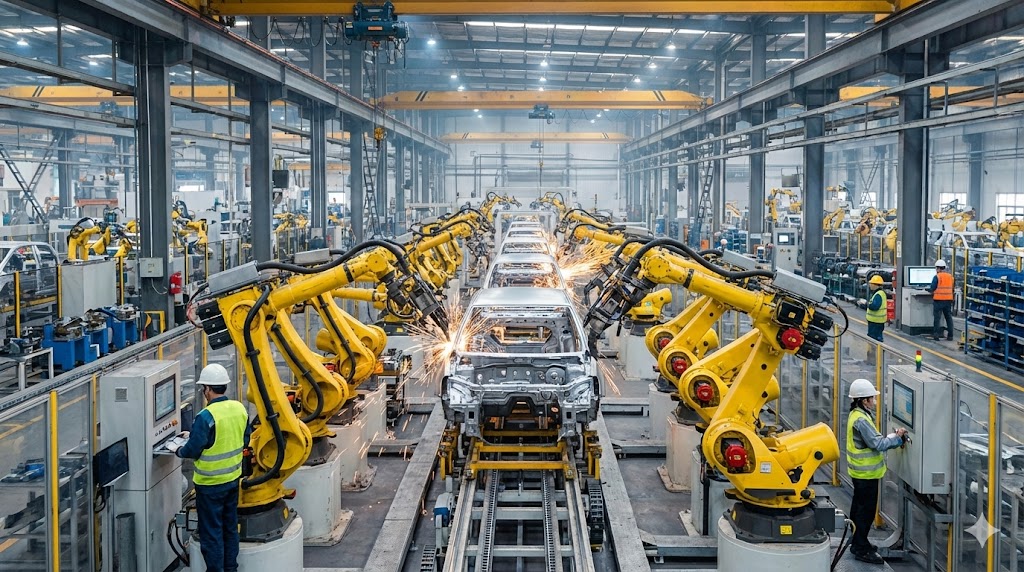
The Winner: TSMC (Growth & Efficiency) TSMC is a pure-play foundry controlling over 70% of the global market. Its TTM revenue surged ~30% year-over-year to $155 billion, with a staggering 51% net margin. The company is the backbone of the AI revolution, manufacturing chips for Nvidia, AMD, and yes, Apple. With a debt-to-equity ratio of just 0.1x, its balance sheet is fortress-like.
The Loser: Apple (Slowing Growth, Premium Price) Apple remains a cash-printing machine with $137 billion in free cash flow and a net margin of ~28%. However, revenue growth has cooled to ~14%, and its forward P/E of 36.3x looks rich compared to TSMC's 24.7x. Apple's reliance on third-party distribution (~60% of sales) and regulatory headwinds in the US and EU add friction.
The market is split on whether growth or stability wins in 2026. Here is how the bulls and bears are framing the argument.
Head-to-Head: Financial Comparison Table
Here is how the two tech titans stack up on key metrics:
| Metric | Apple (AAPL) | TSMC (TSM) |
|---|---|---|
| Market Cap | $5.0T | $2.2T |
| TTM Revenue | ~$467B | ~$155B |
| Revenue Growth (YoY) | ~14% | ~30% |
| Net Margin | ~28% | ~51% |
| Forward P/E | 36.3x | 24.7x |
| P/S Ratio | 10.9x | 14.1x |
| Debt-to-Equity | ~0.8x | ~0.1x |
| Dividend Yield | 0.31% | 0.89% |
Technical Insight: From a chart perspective, TSM has been forming a bullish consolidation pattern above its 50-day moving average, while AAPL faces resistance near its 52-week high of $351.73. Historically, when the P/E gap between a fabless designer and a foundry widens this much, capital tends to rotate toward the manufacturer during cyclical upswings. 📈
📊 In-Depth Fundamental Analysis
| Company | Share Price | P/E Ratio | P/B Ratio | ROE | Operating Margin (OPM) | Revenue Growth |
|---|---|---|---|---|---|---|
| AAPL (Apple) | $347 | 39.81 | 47.16 | 148.75% | 32.62% | 16.40% |
| TSM (Taiwan) | $437 | 28.31 | 83.37 | 41.85% | 58.66% | 50.90% |
| INTC (Intel) | $94 | 0.00 | 5.40 | -10.71% | 12.19% | 25.40% |
| GOOGL (Alphabet) | $321 | 16.09 | 6.30 | 48.68% | 34.03% | 24.20% |
| GOOG (Alphabet) | $317 | 15.90 | 6.23 | 48.68% | 34.03% | 24.20% |
The Verdict: Where to Put Your $1,000
For 2026, TSMC offers the superior risk-reward balance. It is growing twice as fast as Apple, trades at a significant discount on forward earnings, and holds a wider moat in the AI supply chain. 🎯
Best Case Scenario: AI demand accelerates, TSMC hits $550+, and earnings grow 44% as analysts project. Worst Case Scenario: Geopolitical tensions in Taiwan escalate or chip demand cools, causing a 20-30% drawdown.
Apple is not a bad stock—it is a great business. But at 36x forward earnings with 11% expected growth, the upside is limited. If you want growth, TSMC is the pick. If you want safety and brand loyalty, Apple remains the king. Choose wisely. 💸