The battle for AI chip supremacy is captivating Wall Street. Nvidia (NVDA) is the current heavyweight champion, but history reminds us that Intel (INTC) once wore that crown. In this high-stakes arena, fortunes can change overnight. However, there's a quieter, arguably smarter, investment angle that often gets overlooked: the electricity needed to power it all. 📌
Investing in power generation is the ultimate 'picks-and-shovels' strategy for the AI gold rush. Whether Nvidia, AMD, or a newcomer wins the chip war, every data center, every GPU cluster, and every AI model requires a massive and reliable supply of electricity.

The 'Picks and Shovels' Case for Power 🚨
This isn't a new concept. During the California Gold Rush, the surest way to wealth wasn't digging for gold, but selling the picks, shovels, and jeans to the miners. The same logic applies to AI. Betting on a single chipmaker is a high-risk gamble; betting on the infrastructure that all chipmakers depend on is a more calculated move.
If AI turns out to be as transformative as predicted, electricity demand will skyrocket. If AI falls short of expectations, the world will still need electricity for everyday life. This creates a unique 'heads I win, tails I win' scenario for utility investors. This is why I hold positions in Brookfield Renewable Partners (BEP), Southern Company (SO), and Black Hills (BKH). They offer not just growth potential, but also reliable dividends that reward patience.
This 'picks and shovels' approach is compelling, but it's not without its own debate. Let's hear from both sides of the table.
Key Players in the AI Power Play 💡
While the above stocks are solid, one company stands out as a one-stop-shop for this trend: NextEra Energy (NEE). It combines a large, regulated utility business with a leadership position in solar and wind power, making it a direct beneficiary of both AI's power needs and the global push for clean energy.
NextEra Energy (NEE) at a Glance
| Metric | Value |
|---|---|
| Current Price | $81.84 |
| Market Cap | $171 Billion |
| Day's Change | -1.22% ($1.01) |
| 52-Week Range | $69.24 - $98.75 |
| Dividend Yield | 3.67% |
| Gross Margin | 35.80% |
NextEra's yield is above the utility average of ~2.6%, and its decades-long streak of dividend increases makes it a reliable income generator. The company's strategic acquisition of Dominion Energy (D) is a clear signal that it is aggressively positioning itself to meet the world's growing electricity demand.
📊 In-Depth Fundamental Analysis
| Company | Share Price | P/E Ratio | P/B Ratio | ROE | Operating Margin (OPM) | Revenue Growth |
|---|---|---|---|---|---|---|
| BEP (Brookfield) | $32 | 0.00 | 2.55 | 0.40% | 17.08% | 1.10% |
| SO (Southern) | $88 | 21.47 | 2.57 | 11.48% | 29.61% | 0.10% |
| BKH (Black) | $73 | 18.48 | 1.41 | 7.96% | 21.42% | 3.10% |
| NVDA (NVIDIA) | $218 | 28.81 | 26.96 | 117.21% | 66.24% | 105.90% |
| D (Dominion) | $66 | 22.68 | 2.07 | 8.28% | 29.22% | 17.60% |
| NEE (NextEra) | $82 | 18.77 | 2.99 | 11.68% | 31.52% | 12.40% |
| SOMN (Southern) | $48 | 0.00 | 1.39 | 11.48% | 29.61% | 0.10% |
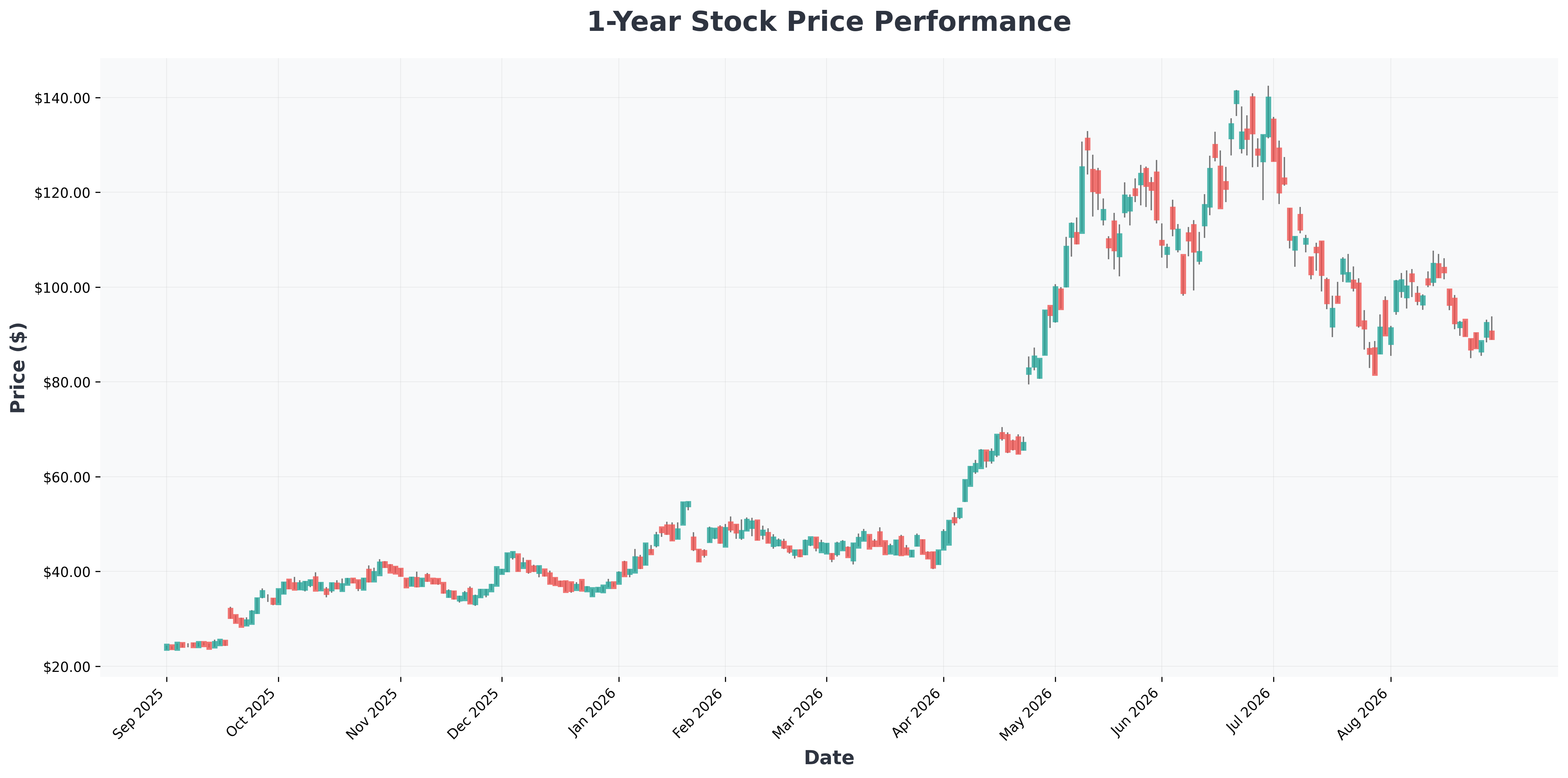
| INTC (Intel) | $89 | 0.00 | 5.15 | -10.71% | 12.19% | 25.40% |

Best & Worst Case Scenarios 📊
- Best Case Scenario: AI adoption accelerates faster than expected, leading to a surge in electricity demand. NextEra's massive renewable portfolio and regulated utility base see significant earnings growth. The stock re-rates higher, and shareholders benefit from both capital appreciation and a growing dividend.
- Worst Case Scenario: The AI bubble bursts, and tech spending plummets. While this would hurt chipmakers, electricity demand from other sectors (EVs, manufacturing, data centers for non-AI uses) remains resilient. Utility revenues stay stable, and the defensive nature of the sector could attract investors fleeing the tech sell-off, limiting downside.
The Bottom Line: The AI revolution is a marathon, not a sprint. While the chip race is exciting to watch, the steady, essential nature of electricity makes it a more sustainable investment. By focusing on the infrastructure that powers AI, you can potentially profit from the trend while building a more resilient portfolio. As always, consider your own risk tolerance and conduct your own research before investing.