The $123 Billion Question: Why Big Pharma Can’t Stop Buying 🚨
The year 2026 is shaping up to be a banner year for pharmaceutical consolidation. With 32 separate deals worth over $1 billion already closed, totaling a staggering $123 billion, the industry is on pace to rival the record-breaking M&A activity of 2019. This isn't just a coincidence; it's a strategic scramble for survival and dominance.
Investors should note that this wave is not about sheer size, but about precision. Companies are shifting from mega-mergers to 'bolt-on' acquisitions—buying late-stage clinical assets that can be quickly integrated into existing platforms. This is a signal that the market is valuing speed to revenue over long-shot R&D gambles.
Key Drivers at a Glance:
- The Patent Cliff: An estimated $300 billion in annual revenue is set to lose exclusivity in the next few years.
- Regulatory Tailwind: The FDA’s recent departure from rigid placebo requirements for rare diseases has unlocked value in clinical-stage biotechs.
- Cash Hoards: GLP-1 leaders like Eli Lilly are using their windfall profits to diversify before their own patents expire.

The Winners: Who Is Playing the Game Right? 🏆
Not all pharma giants are created equal. While the sector as a whole has lagged the S&P 500 (only 3 of the top 12 have beaten the index in 10 years), a few companies are executing flawlessly.
Eli Lilly (LLY): The Gold Standard 💊
Lilly is the undisputed king of the current cycle. Its GLP-1 portfolio (Mounjaro, Zepbound) is patented through 2036, giving it a decade-long moat. More importantly, management is wisely using its cash flow to make smart bolt-on acquisitions, ensuring it doesn't fall into the same trap as its competitors when the GLP-1 patent eventually expires.
United Therapeutics (UTHR): The Hidden Gem 💎
This is a classic 'needle-mover' story. Founded by an entrepreneur whose daughter had a rare disease, UTHR has six FDA-approved treatments and a robust pipeline. It has easily beaten the market in recent years and represents the kind of focused, mission-driven biotech that big pharma loves to acquire.
Ascendis Pharma (ASND): The Tech Play 🔬
Ascendis is not just a drug company; it's a drug delivery company. Its 'TransCon' technology acts as a time-release capsule in the blood, turning burdensome daily injections (like human growth hormone) into weekly or bi-weekly shots. This platform technology makes it a prime acquisition target for any pharma giant looking to extend the lifecycle of their existing injectable drugs.
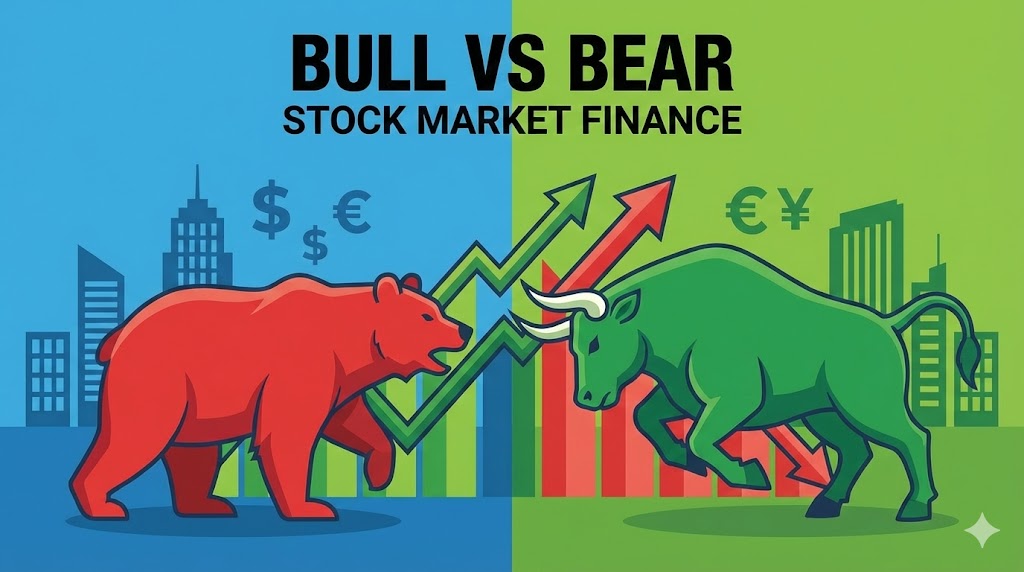
The market is split on whether this M&A wave is a sign of strength or desperation. Here’s how the bulls and bears see it.
The Losers & The Risks: Merck and Pfizer Under the Microscope 🐻
For every winner, there is a company facing an existential threat from the patent cliff.
Merck (MRK): The Clock is Ticking ⏰
Merck is the poster child for 'patent cliff anxiety.' Its blockbuster cancer drug, Keytruda, accounts for over half of its revenue, and its patent expires in 2028. While the company has been hyperactive in M&A (three major deals in 10 months), the timeline leaves almost no room for error. If those acquisitions don't produce revenue quickly, the stock will suffer.
Pfizer (PFE): A Value Trap or a Deep Value Play? 🎲
Pfizer is facing a near-term revenue hit of $17-18 billion from patent expirations (Prevnar, two cancer drugs). The stock is cheap (single-digit P/E) with a ~7% dividend yield, but management itself has warned of 'bumpy years' ahead. The key question is: can its oncology pipeline and GLP-1 acquisition (Metsera) fill the gap by 2029?
Comparison Table: Patent Cliff Exposure
| Company | Key Patent Expiring | % of Revenue at Risk | M&A Strategy | Risk Level |
|---|---|---|---|---|
| Eli Lilly (LLY) | Tirzepatide (2036) | Low (<10%) | Bolt-on, Diversifying | 🟢 Low |
| Merck (MRK) | Keytruda (2028) | High (>50%) | Aggressive, High Stakes | 🔴 High |
| Pfizer (PFE) | Prevnar, Ibrance (2027) | Moderate (~25%) | Large ($10B Metsera) | 🟡 Medium |
Technical Insight: From a backtesting perspective, stocks facing a patent cliff typically underperform the market by 15-20% in the 18 months leading up to the expiration. Merck and Pfizer are currently in this 'danger zone,' while Lilly is well clear of it.
📊 In-Depth Fundamental Analysis
| Company | Share Price | P/E Ratio | P/B Ratio | ROE | Operating Margin (OPM) | Revenue Growth |
|---|---|---|---|---|---|---|
| ABBV (AbbVie) | $252 | 123.96 | -66.80 | 0.00% | 32.16% | 12.40% |
| ASND (Ascendis) | $267 | 30.94 | 29.82 | 332.65% | 10.06% | 144.30% |
| GSK (GSK) | $52 | 13.98 | 4.47 | 40.91% | 36.28% | 1.50% |
| LLY (Eli) | $1,199 | 42.58 | 34.35 | 107.46% | 49.39% | 55.50% |
| MRK (Merck) | $128 | 36.20 | 6.92 | 18.94% | 38.60% | 4.90% |
| MRNA (Moderna,) | $70 | 0.00 | 3.75 | -36.56% | -131.10% | 260.20% |
| NVO (Novo) | $48 | 11.50 | 6.90 | 71.40% | 61.57% | 24.00% |
| PFE (Pfizer,) | $24 | 18.38 | 1.52 | 8.31% | 31.62% | 5.40% |
| RHHBY (Roche) | $51 | 20.71 | 7.83 | 37.27% | 29.99% | -0.40% |
| UTHR (United) | $542 | 20.05 | 3.87 | 20.26% | 41.69% | -1.60% |

Scenarios & Conclusion: Where Do We Go From Here? 🎯
The M&A frenzy is a clear signal that the industry is repricing risk. The 'buy vs. build' decision has firmly shifted to 'buy.'
Best-Case Scenario 🚀
- Regulatory Momentum Continues: The FDA remains friendly to innovation, unlocking value for rare disease and oncology platforms.
- Merck's Gambit Pays Off: Its acquisitions yield a new blockbuster, allowing it to smoothly transition past Keytruda.
- Pfizer's Pipeline Delivers: The oncology and GLP-1 bets start to pay off by 2028, stabilizing revenue and allowing the dividend to grow.
Worst-Case Scenario 📉
- Regulatory Reversal: A new administration or FDA head re-imposes strict placebo requirements, freezing the market for clinical-stage biotechs.
- Merck's Deals Fail: The acquired assets fail in late-stage trials, leaving Merck with a massive revenue hole and no replacement.
- Pfizer Cuts the Dividend: If the revenue decline is steeper than expected, the ~7% yield could be slashed, sending the stock into a death spiral.
Final Take: The smart money is on companies with long patent cliffs (LLY) or unique platform technologies (ASND, UTHR). Avoid the 'value traps' that look cheap for a reason (PFE, MRK) unless you have a 5+ year horizon and a high tolerance for volatility.