The $752 Billion Opportunity in Data Center Infrastructure 📈
The global data center infrastructure market is on a trajectory to nearly triple in size over the next decade. According to the latest report from The Insight Partners, the market, valued at US$297.07 billion in 2025, is projected to reach US$752.12 billion by 2034, registering a robust CAGR of 10.9%.
This isn't just a headline number; it represents a fundamental shift in how the world computes, stores, and processes data. For investors, this growth signals a multi-year tailwind for companies providing the physical backbone of the digital economy—from power systems and cooling to servers and networking gear.

What's Fueling This Explosive Growth? 🔥
The primary engine is the relentless pace of digital transformation and the explosion of data consumption. Enterprises are not just moving to the cloud; they are building hybrid and multi-cloud environments that require complex, interconnected infrastructure. However, the most powerful catalyst today is Artificial Intelligence (AI).
AI and GPU-intensive workloads are fundamentally changing data center design. They demand higher power densities, more sophisticated cooling, and greater reliability. This is forcing a massive upgrade cycle, particularly among hyperscale cloud providers like AWS, Microsoft Azure, and Google Cloud, who are the high-value end-users driving demand for advanced hardware and managed services.
This massive growth projection has split the investment community. Let's hear from both sides of the trade.
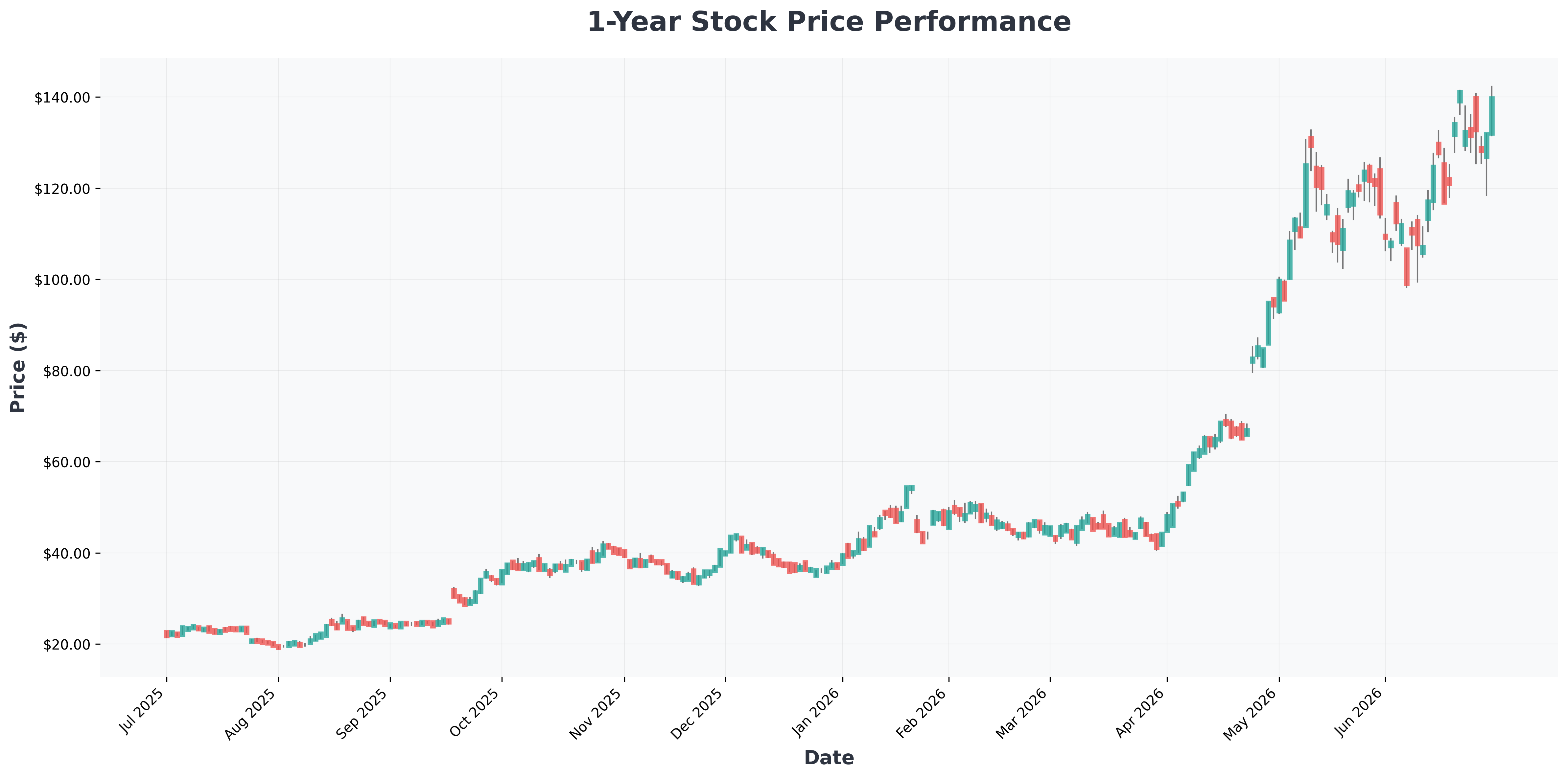

The Bull vs. Bear Debate: Is the Infrastructure Boom Overhyped? 💬
While the long-term thesis is strong, the path to $752 billion is not without its risks. Let's break down the two sides of the trade.
The Bull Case 🐂
- Hyperscale Expansion is Non-Negotiable: AI model training and inference are computationally intensive. Hyperscalers must build or they will lose the AI race. This creates a decade-long demand cycle for power, cooling, and servers.
- Liquid Cooling Revolution: The shift from air to liquid cooling (direct-to-chip, immersion) is a massive upgrade cycle. Companies like Schneider Electric and Vertiv are perfectly positioned to benefit from this technological shift, which improves energy efficiency and supports higher rack densities.
- Edge Computing as a Second Wind: The growth of 5G, IoT, and autonomous systems will require thousands of smaller edge data centers, creating a new, distributed demand stream beyond the core hyperscale campuses.
The Bear Case 🐻
- Power Grid Constraints: The single biggest bottleneck is power availability. In regions like Northern Virginia and parts of Europe, it can take years to get grid interconnection approvals. This could materially slow down the pace of construction and revenue recognition for infrastructure vendors.
- Rising Interest Rates & CapEx Scrutiny: Hyperscalers are spending billions. If the macro environment tightens, they may optimize existing capacity before building new facilities, leading to a temporary slowdown in orders.
- Technological Obsolescence: The pace of change is rapid. An investment in a specific cooling technology today could be made obsolete by a new chip design or a different architectural approach tomorrow.
Technical Insight 🛠️
From a technical perspective, the market is entering a phase of re-acceleration. The initial build-out for cloud (2015-2020) was driven by virtualization. The current cycle (2025-2034) is driven by AI, which is 5-10x more power-hungry per rack. This suggests the CAGR of 10.9% might actually be conservative if AI adoption outpaces current forecasts. Support for this sector is strong, with key players like NVIDIA and AMD acting as leading indicators for overall infrastructure demand.
📊 In-Depth Fundamental Analysis
| Company | Share Price | P/E Ratio | P/B Ratio | ROE | Operating Margin (OPM) | Revenue Growth |
|---|---|---|---|---|---|---|
| ABBNY (ABB) | $106 | 39.70 | 51.92 | 33.55% | 20.59% | 18.30% |
| CSCO (Cisco) | $117 | 39.00 | 9.44 | 25.23% | 24.99% | 12.00% |
| DELL (Dell) | $425 | 33.86 | -196.60 | 0.00% | 8.86% | 87.50% |
| EQIX (Equinix,) | $1,014 | 69.95 | 6.99 | 10.06% | 24.34% | 12.10% |
| ETN (Eaton) | $412 | 40.30 | 8.12 | 20.84% | 16.10% | 16.80% |
| HPE (Hewlett) | $44 | 41.07 | 2.30 | 6.31% | 8.70% | 40.00% |
| INTC (Intel) | $127 | 0.00 | 5.73 | -2.91% | 6.88% | 7.20% |
| NVDA (NVIDIA) | $198 | 30.30 | 24.48 | 114.29% | 65.60% | 85.20% |
| SBGSY (Schneider) | $63 | 34.44 | 6.32 | 15.61% | 17.63% | 4.20% |

Scenario Analysis & Investment Outlook 🎯
Best-Case Scenario (Probability: 40%)
- Conditions: AI adoption accelerates, power grid bottlenecks are resolved with new renewable projects, and liquid cooling becomes the industry standard by 2028.
- Outcome: The market could exceed $800 billion by 2034. Companies with integrated hardware and services (like Schneider Electric and Eaton) would see significant revenue growth and margin expansion.
Base-Case Scenario (Probability: 50%)
- Conditions: Steady AI growth, moderate grid improvements, and a gradual shift to liquid cooling.
- Outcome: The market hits the projected $752 billion. Growth is steady but not explosive, with periodic slowdowns tied to macro cycles.
Worst-Case Scenario (Probability: 10%)
- Conditions: A severe global recession leads to a 2-year freeze in hyperscale CapEx, and AI fails to deliver on its ROI promises, leading to a pullback in investment.
- Outcome: The market stagnates or declines, potentially staying below $600 billion by 2034. This would be a painful, but likely temporary, setback for the sector.
Final Verdict: The data center infrastructure market is a long-term structural growth story. While short-term volatility is inevitable, the secular trends of AI, cloud, and digitalization provide a strong safety net for patient investors. Focus on companies that provide the 'picks and shovels' for AI infrastructure—power management, advanced cooling, and high-performance networking.