The Structural Shift: From Episodic to Continuous Care 🏥
The global digital health and remote patient monitoring (RPM) market is no longer a niche experiment. According to a newly released strategic research report, the market was valued at $26.8 billion in 2025 and is projected to reach $80.8 billion by 2031, expanding at a blistering 20.2% CAGR. 📌
This is not just a growth story — it is a structural transformation. Healthcare systems worldwide are moving away from episodic, facility-centered care toward continuous, connected care models. For investors, this signals a multi-year tailwind behind the companies enabling that transition.
Why Now? 🤔
Three forces are converging:
- Rising chronic disease burden — diabetes, cardiovascular disease, and respiratory conditions demand ongoing monitoring, not just office visits.
- Broader reimbursement coverage — payers are increasingly willing to compensate providers for remote monitoring, improving the commercial viability of RPM platforms.
- Maturation of wearable sensor technology — continuous glucose monitors, ECG patches, and connected devices are becoming cheaper, more accurate, and more comfortable.
Investors should note that this is a policy-sensitive growth story. Reimbursement expansion is the single biggest swing factor for near-term revenue recognition across the sector. 🚨

The Companies Positioned to Capture the Upside 💰
The report profiles a roster of companies spanning devices, platforms, and services. The key names to watch include:
- Abbott Laboratories (ABT) — a dominant player in continuous glucose monitoring (CGM) via its Libre franchise.
- Dexcom (DXCM) — a pure-play CGM leader with deep penetration in diabetes management.
- Medtronic (MDT) — a broad medtech giant with connected device and remote monitoring exposure.
- ResMed (RMD) — a leader in connected sleep apnea and respiratory care devices.
- iRhythm Technologies (IRTC) — ambulatory cardiac monitoring specialist.
- Teladoc Health (TDOC) — telehealth and virtual care platform.
- Philips (PHG) — hospital-to-home connected care solutions.
- Masimo (MASI) — patient monitoring and sensor technology.
- Insulet (PODD) — automated insulin delivery.
The Common Thread 🔗
What unites these names is that they monetize recurring data and monitoring, not one-time device sales. That recurring revenue model is precisely what supports a premium multiple in a market growing at 20%+ annually.
However, investors should be careful not to treat the whole sector as a monolith. Device makers with strong reimbursement footprints (CGM players) sit in a structurally better position than pure telehealth platforms, which face pricing pressure and commoditization. 📊
The 20.2% CAGR headline is compelling, but market participants are sharply divided on whether the growth is already priced in. Here's how the bull and bear cases stack up:

Scenario Analysis: Bull vs. Bear 🎯
| Scenario | Key Assumptions | Implied Outcome |
|---|---|---|
| Bull Case 🐂 | Reimbursement expands across major markets; CGM adoption accelerates in non-diabetic populations; wearable sensor costs fall faster than expected | Market approaches or exceeds the $80.8B upper projection; device leaders re-rate higher on sustained 20%+ growth |
| Base Case 📈 | Steady reimbursement progress; chronic disease prevalence rises; adoption grows in line with forecast | Market tracks the 20.2% CAGR path to ~$80.8B by 2031 |
| Bear Case 🐻 | Reimbursement rollback or slow payer adoption; regulatory friction on data privacy; pricing pressure compresses device margins | Growth decelerates toward mid-teens; pure-play RPM names de-rate sharply |
Technical Read & Historical Parallel 📉
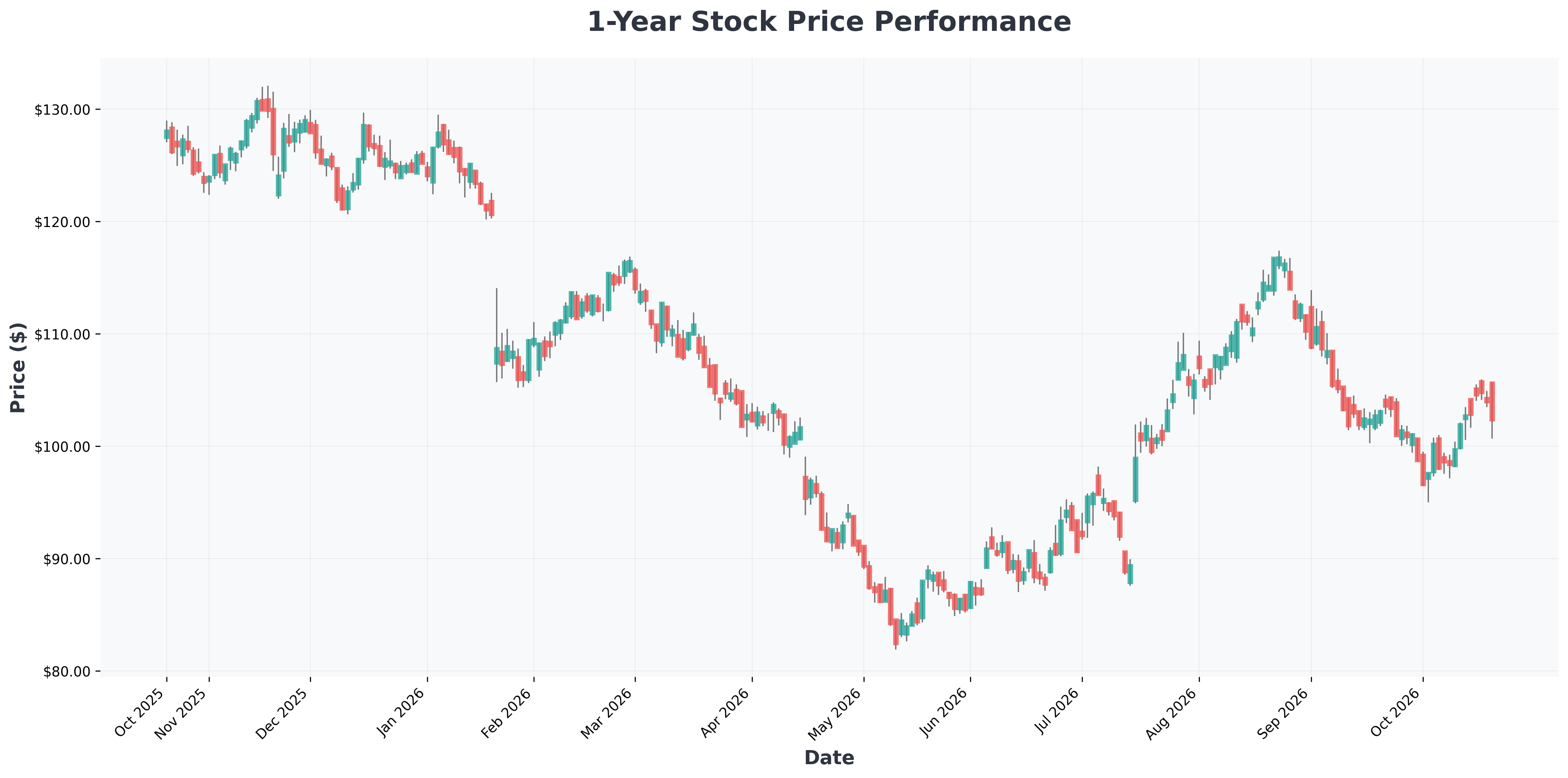
From a technical standpoint, the medtech and digital health complex has historically traded in a wide range relative to the broader healthcare sector, with momentum clustering around reimbursement headlines. Backtesting similar policy-driven adoption cycles (e.g., prior CGM reimbursement expansions) suggests that confirmation of coverage tends to precede the sharpest multi-quarter moves — meaning headline risk cuts both ways. ⚠️
📊 In-Depth Fundamental Analysis
| Company | Share Price | P/E Ratio | P/B Ratio | ROE | Operating Margin (OPM) | Revenue Growth |
|---|---|---|---|---|---|---|
| DXCM (DexCom,) | $80 | 31.85 | 11.55 | 38.49% | 24.33% | 13.10% |
| TDOC (Teladoc) | $6 | 0.00 | 0.87 | -12.98% | -5.68% | -4.00% |
| VEEV (Veeva) | $321 | 52.55 | 6.98 | 14.42% | 29.64% | 17.60% |
| ABT (Abbott) | $101 | 32.42 | 3.35 | 10.58% | 14.71% | 13.00% |
| MDT (Medtronic) | $93 | 22.86 | 2.37 | 10.65% | 19.33% | 13.70% |
| RMD (ResMed) | $246 | 23.60 | 5.39 | 24.27% | 30.86% | 8.60% |
| PODD (Insulet) | $142 | 26.57 | 6.92 | 26.02% | 16.18% | 23.50% |
| PHG (Koninklijke) | $26 | 19.57 | 2.00 | 10.15% | 13.99% | 0.50% |

The Bottom Line for Investors 🧭
The digital health and RPM market offers a compelling, structurally supported growth narrative: 20.2% CAGR to $80.8B by 2031, driven by chronic disease management, reimbursement expansion, and wearable maturation.
But this is a sector where policy and payer behavior — not just technology — determine winners. Investors should focus on companies with:
- Established reimbursement footprints (CGM leaders like Abbott and Dexcom).
- Recurring, data-driven revenue models rather than one-time hardware sales.
- Diversified exposure to absorb reimbursement volatility (Medtronic, Philips, ResMed).
As with any high-growth healthcare theme, the risk of overpaying for growth is real. Position sizing and entry discipline matter as much as the thesis itself. 💡