Warren Buffett officially handed the keys to Greg Abel on Dec. 31, and the new CEO hasn't wasted a single quarter. Wall Street has been fixated on his aggressive Alphabet purchases — another $17 billion in Q2 alone — but that's not the real story. 📌
The actual transformation is happening in Japan. Berkshire Hathaway now holds roughly $42.7 billion in Japanese equities, spanning the five major sogo shosha (Mitsubishi, Mitsui, Itochu, Sumitomo, Marubeni) plus a new 2.5% stake in Tokio Marine. This isn't a hedge or a side bet — it's a strategic pivot that's been building for seven years.
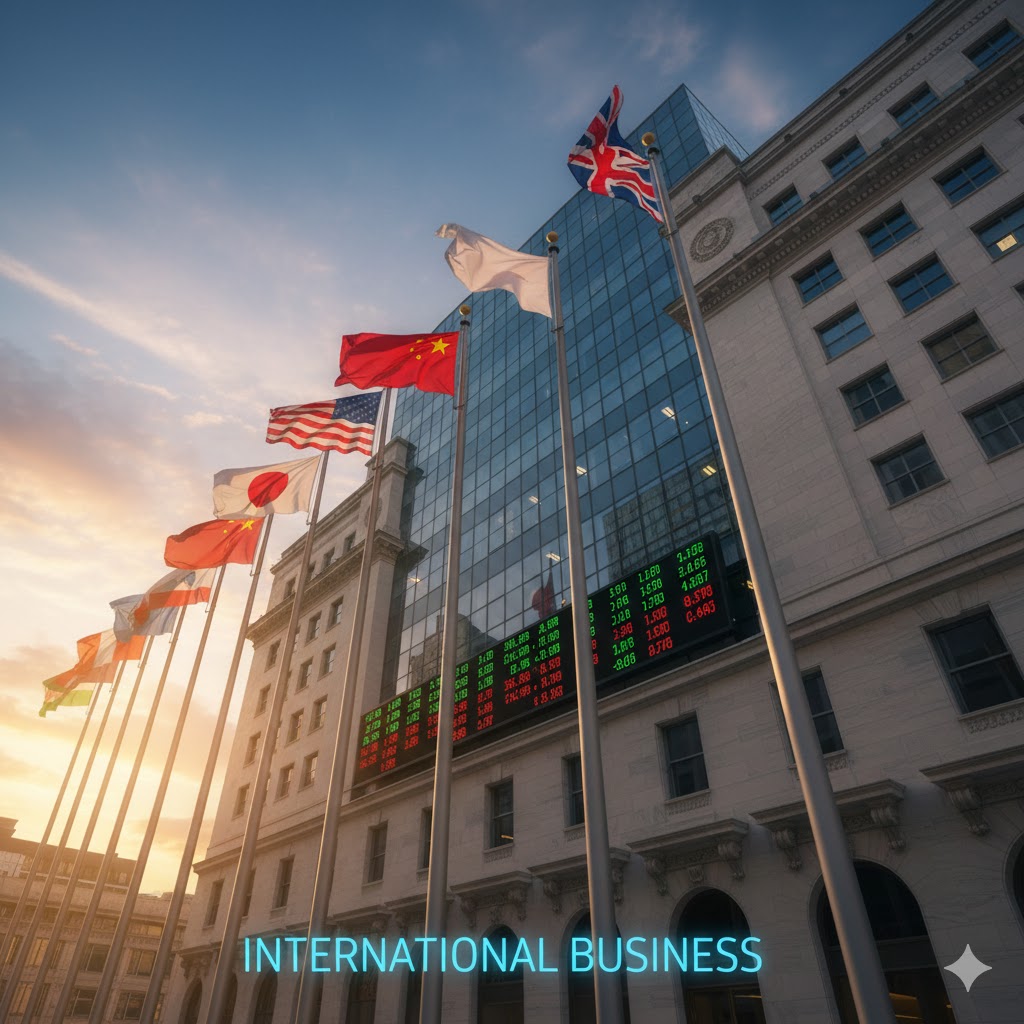
Why Japan? It's a Value Investor's Dream 🇯🇵
The logic here is pure Buffett-ism, executed by Abel. U.S. valuations have become historically stretched — the Buffett Indicator (market-cap-to-GDP) just hit an all-time high. Meanwhile, Japanese trading houses have traded at far more reasonable multiples, offering the kind of margin of safety that Berkshire's leadership craves.
But it's not just about price. The sogo shosha are diversified conglomerates with fingers in energy, agriculture, infrastructure, and technology across the globe. They're essentially mini-Berkshires themselves, and they share a shareholder-first philosophy:
- Robust capital returns: Consistent dividends and aggressive buybacks across all five firms.
- Subdued executive compensation: Unlike U.S. peers, Japanese executives don't drain cash through outsized pay packages.
- Long-term orientation: These companies align with Berkshire's patient, buy-and-hold approach.
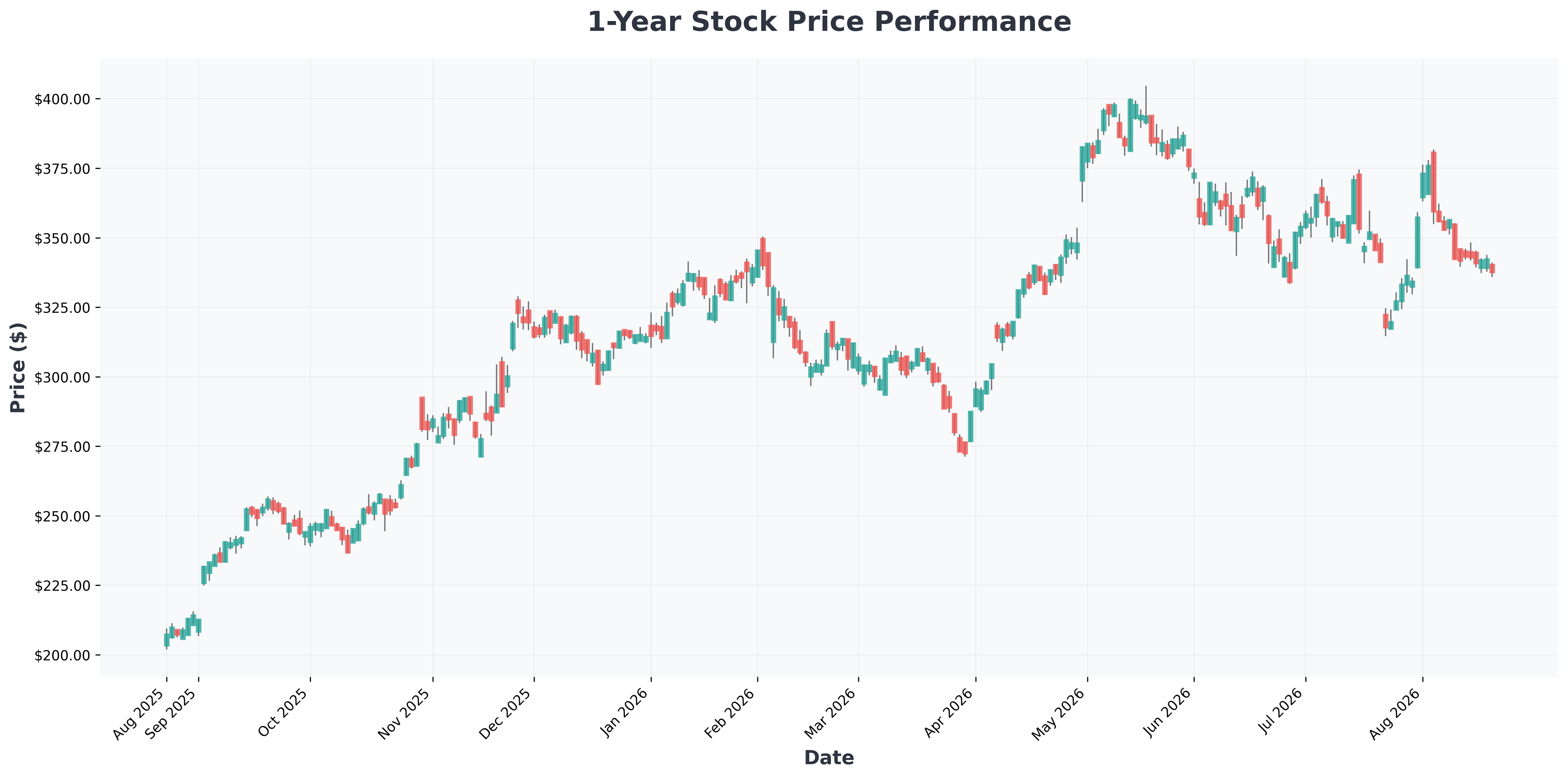
The Numbers Behind the Pivot 📊
| Holding | Approx. Stake | Investment Focus | Capital Return Program |
|---|---|---|---|
| Mitsubishi (MTSUY) | ~5%+ | Energy, Industrial, Food | Strong dividends + Buybacks |
| Mitsui (MITSY) | ~5%+ | Energy, Machinery, Chemicals | Strong dividends + Buybacks |
| Itochu (ITOCY) | ~5%+ | Textiles, Food, Tech | Strong dividends + Buybacks |
| Sumitomo (SSUMY) | ~5%+ | Metals, Infrastructure | Strong dividends + Buybacks |
| Marubeni (MARUY) | ~5%+ | Grain, Energy, Power | Strong dividends + Buybacks |
| Tokio Marine (TKOMY) | ~2.5% | Property & Casualty Insurance | Solid dividend history |
Note: While the headline number is ~$43 billion, the real value lies in the income stream. These positions are likely generating well over $1 billion annually in dividends, providing Berkshire with durable, low-tax cash flow for future investments.
The Bull vs. Bear Debate: Is This the Right Move?
This issue has split the investing community, and for good reason. On one side, you have a logical, value-driven expansion into an underpriced market. On the other, you have concerns about currency risk and a potential over-concentration in a single region.
This strategic shift has ignited a fierce debate among investors. Let's break down both sides of the argument.
📊 In-Depth Fundamental Analysis
| Company | Share Price | P/E Ratio | P/B Ratio | ROE | Operating Margin (OPM) | Revenue Growth |
|---|---|---|---|---|---|---|
| GOOG (Alphabet) | $342 | 17.16 | 6.71 | 48.68% | 34.03% | 24.20% |
| GOOGL (Alphabet) | $345 | 17.30 | 6.77 | 48.68% | 34.03% | 24.20% |
| ITOCY (Itochu) | $13 | 16.30 | 2.15 | 14.09% | 5.30% | 8.90% |
| MARUY (Marubeni) | $31 | 14.91 | 1.79 | 14.21% | 5.06% | 20.60% |
| MITSY (Mitsui) | $618 | 16.96 | 1.56 | 11.38% | 3.40% | 31.70% |
| MTSUY (Mitsubishi) | $30 | 23.02 | 1.82 | 10.08% | 2.90% | 22.80% |
| SSUMY (Sumitomo) | $11 | 13.83 | 1.82 | 13.61% | 5.30% | 9.00% |
| TKOMY (Tokio) | $46 | 26.43 | 1.71 | 0.00% | 13.24% | 0.10% |
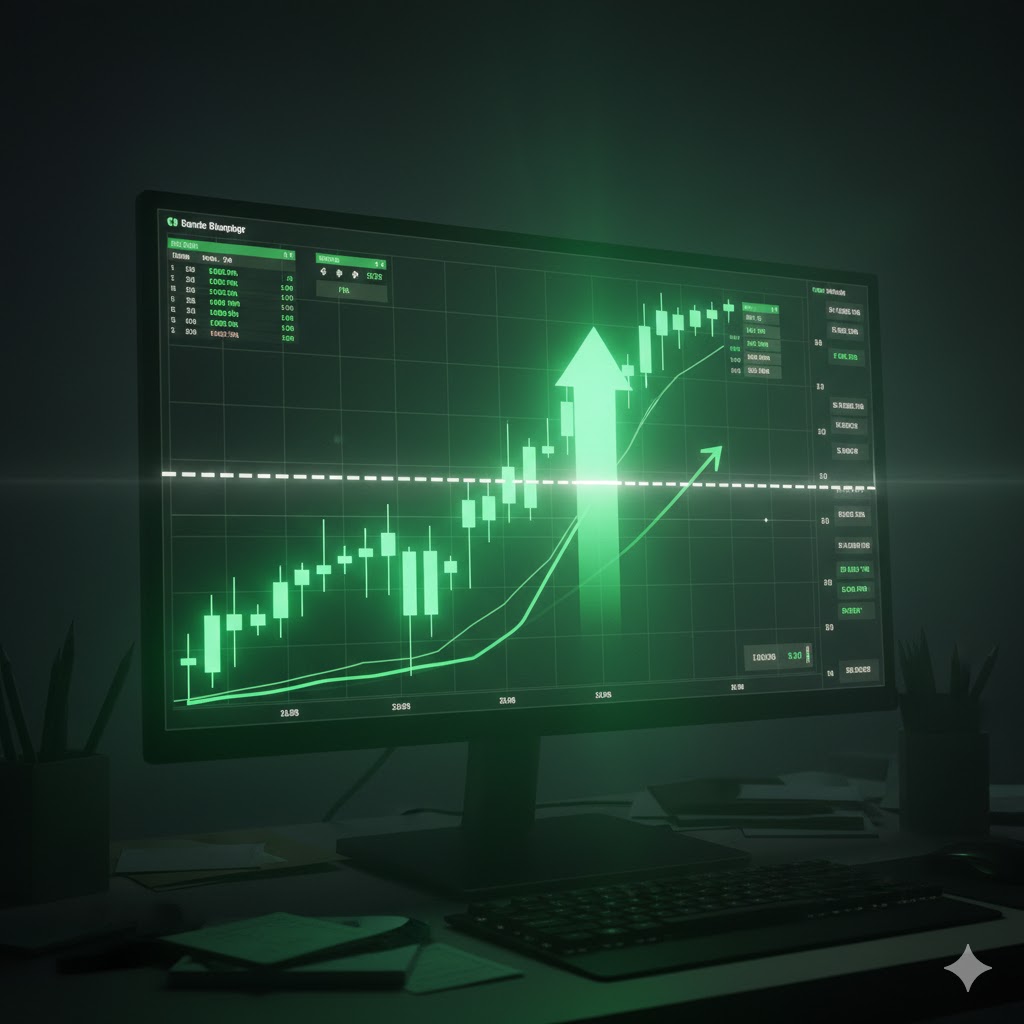
Scenarios & Conclusion 🔮
Best-Case Scenario (Bull):
- Japan's corporate governance reforms continue to unlock shareholder value.
- The yen stabilizes or strengthens against the dollar.
- The sogo shosha increase dividends, boosting Berkshire's annual passive income to $2B+.
- Result: Berkshire's Japanese portfolio becomes a compounding machine, validating Abel's leadership and generating billions in unrealized gains.
Worst-Case Scenario (Bear):
- A global recession hits Japan's export-driven economy hard.
- The yen weakens further, eroding USD-denominated returns.
- The sogo shosha face margin compression in their core trading operations.
- Result: Berkshire's Japan bet underperforms the S&P 500 for several years, drawing criticism from impatient shareholders.
Our Take: Abel is playing the long game. With U.S. valuations stretched to extremes, parking billions in attractively priced, shareholder-friendly Japanese conglomerates is a classic Buffett-style move. The $43 billion figure may seem large, but it represents a calculated, patient allocation to a market that offers a genuine margin of safety. This is a transformation that could define Berkshire's next decade. 🚨
Investing involves risk, including the possible loss of principal. Past performance does not guarantee future results. This analysis is for informational purposes only and should not be considered financial advice.