📌 The Siren Song of 17% Yields
The current market is rewarding risk-takers, but punishing the unprepared. A select group of real estate investment trusts (REITs) are currently trading at distressed levels, pushing their dividend yields into the double digits—some as high as 17.1%.
For income investors, this looks like a dream. But in the world of high finance, an abnormally high yield is often a red flag, not a green light. The core question is not how much they pay, but can they sustain it if the Fed keeps rates higher for longer? 🚨
Investors should note that these yields are a direct function of falling share prices. The market is pricing in a dividend cut. The battle is between the income you collect today and the capital you might lose tomorrow.

🔍 Fact Check: The Fragile Balance Sheet
Let’s look under the hood. High-yield landlords typically fall into two categories: Office REITs (struggling with vacancy) and Mortgage REITs (mREITs) (sensitive to credit spreads).
Key Risk Factors:
- Debt Maturities: Many REITs loaded up on cheap debt in 2020-2021. That debt is now rolling over at 5-6% interest rates, squeezing net income.
- Occupancy Rates: Office landlords are seeing occupancy drop below 75% in major cities, directly impacting rent collection.
- Coverage Ratios: A safe dividend coverage ratio is >1.5x. Several of these high-yield stocks are operating below 1.0x, meaning they are borrowing money to pay dividends.
🧠 AI Insight: Technical Warning
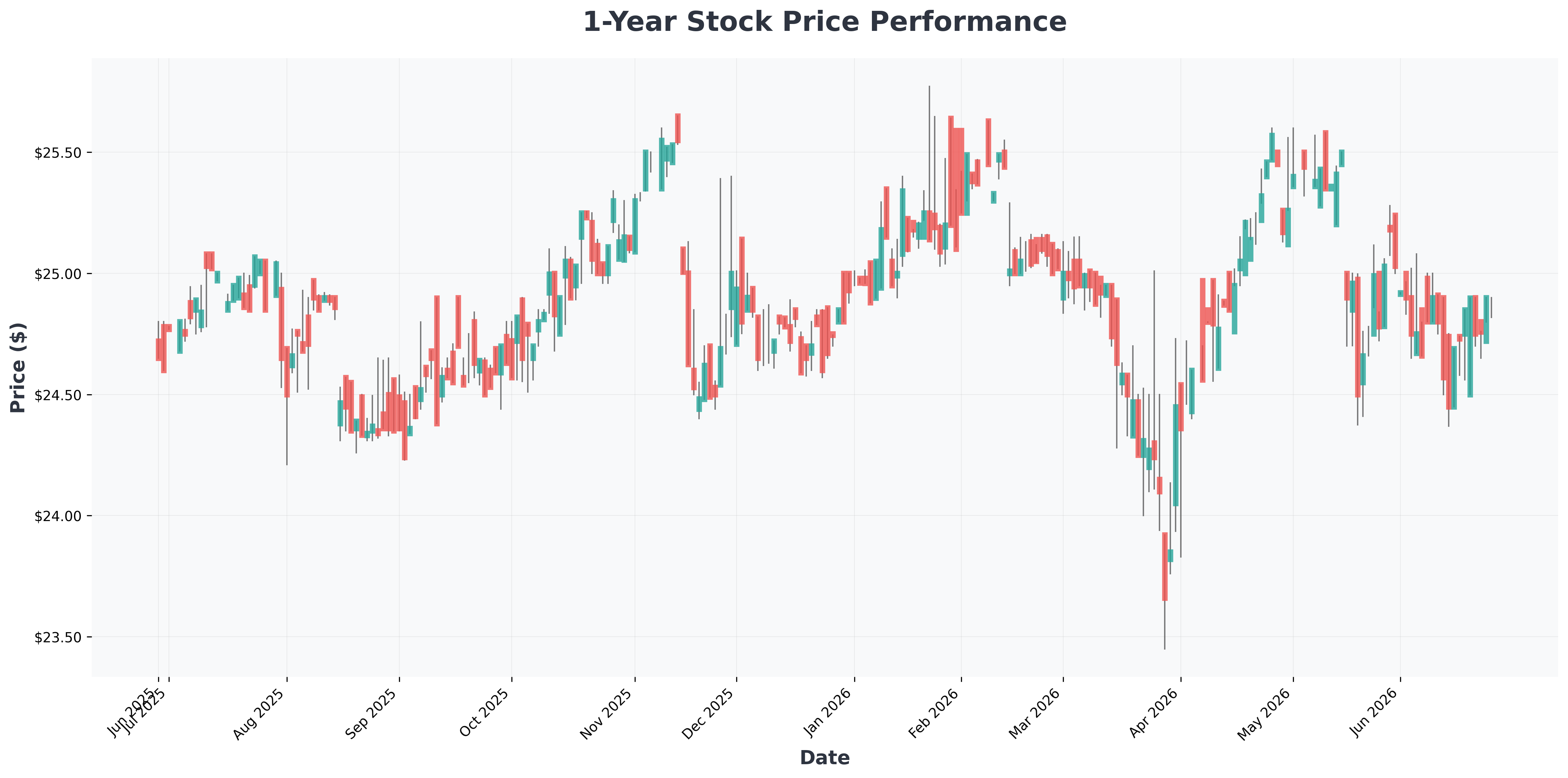
Looking at the chart patterns, several of these tickers are forming a 'death cross' (50-day MA crossing below the 200-day MA). Historically, this pattern precedes a 15-20% further decline in price over the next 3 months, which often forces management to slash the dividend to preserve cash.
This issue is dividing Wall Street. Let's listen to the Bulls and the Bears debate the sustainability of these dividends. 👇

⚖️ Scenario Analysis: Best vs. Worst Case
The future of these dividends hinges entirely on the Fed's next move. Here is the breakdown:
| Scenario | Fed Action | Impact on Dividend | Probability |
|---|---|---|---|
| Bull Case 🐂 | Rate Cut in Q3 2024 | Dividend Maintained (Yield stays ~12%) | 30% |
| Base Case | Rates Unchanged | Partial Dividend Cut (10-20% reduction) | 50% |
| Bear Case 🐻 | Rate Hike or Inflation Spike | Dividend Suspended or Slashed by 50%+ | 20% |
The Verdict: The math does not lie. Even if the Fed cuts rates, the damage from high refinancing costs has already been done. Most of these 15%+ yields are not sustainable.
📊 In-Depth Fundamental Analysis
| Company | Share Price | P/E Ratio | P/B Ratio | ROE | Operating Margin (OPM) | Revenue Growth |
|---|---|---|---|---|---|---|
| ARR (ARMOUR) | $17 | 6.93 | 0.91 | 11.90% | 138.85% | 0.00% |
| CTO (CTO) | $22 | 108.70 | 1.26 | 2.40% | 25.00% | 15.00% |
| GNL (Global) | $9 | 0.00 | 1.22 | -2.81% | 31.27% | -17.50% |
| NXRT (NexPoint) | $29 | 0.00 | 2.68 | -9.66% | 10.74% | 0.50% |
| RWT (Redwood) | $5 | 0.00 | 0.68 | -8.55% | -4.70% | -13.40% |
| RWTP (Redwood) | $24 | 0.00 | 3.42 | -8.55% | -4.70% | -13.40% |
| RWTQ (Redwood) | $24 | 0.00 | 3.42 | -8.55% | -4.70% | -13.40% |

💎 Conclusion: High Risk, High (Potential) Pain
While a 17.1% yield is tempting, the risk of capital loss is equally high. For long-term investors, waiting for a dividend cut (which will likely happen) and buying the stock at a lower price may offer a better risk/reward ratio.
Actionable Advice:
- Do not chase yield without checking the payout ratio.
- Diversify into triple-net lease REITs (O, ADC) which have lower yields but higher safety.
- Monitor the 10-Year Treasury yield. If it breaks above 5%, sell these high-yield names immediately.