The Threat Nobody on Wall Street Is Pricing In 🚨
When investors talk about Nvidia's (NASDAQ: NVDA) competitive risks, the conversation almost always lands on the usual suspects: AMD's Instinct GPUs and Broadcom's custom ASICs. These names get the headlines, the analyst notes, and the panic selling.
But here's the uncomfortable truth: the biggest threat to Nvidia is coming from inside the house. 🏠
Nvidia's largest clients — Amazon, Microsoft, and Meta — are no longer just buyers. They're becoming builders. And that shift could reshape the entire AI compute landscape over the next 24–36 months.
Let's break down what's actually happening and what it means for your NVDA position.

Why AMD and Broadcom Aren't the Real Problem 📌
Before we dive into the real risk, it's worth clearing the noise.
AMD sells general-purpose GPUs that compete directly with Nvidia's H100/H200/B200 lineup. Yes, the Instinct MI300X is cheaper. Yes, it's gaining traction. But AMD has been "the next Nvidia" for a decade, and the software moat (CUDA) remains firmly intact.
Broadcom plays a different game entirely. Its focus is on custom ASICs — application-specific chips designed for narrow workloads. Broadcom isn't trying to beat Nvidia at general-purpose compute; it's trying to make hyperscalers less dependent on it.
Both can coexist with Nvidia. Neither is existential.
The Real Threat: Vertical Integration 🎯
Here's what actually matters. Nvidia's top three customers by revenue are all developing their own silicon:
- Amazon: Inferentia2 (inference) + Trainium (training)
- Microsoft: Maia 200 (already deployed), Maia 300 (expected imminently)
- Meta: Four generations of MTIA (Meta Training and Inference Accelerator) in just two years
These chips don't need to be better than Nvidia's. They just need to be good enough for internal workloads — and significantly cheaper.
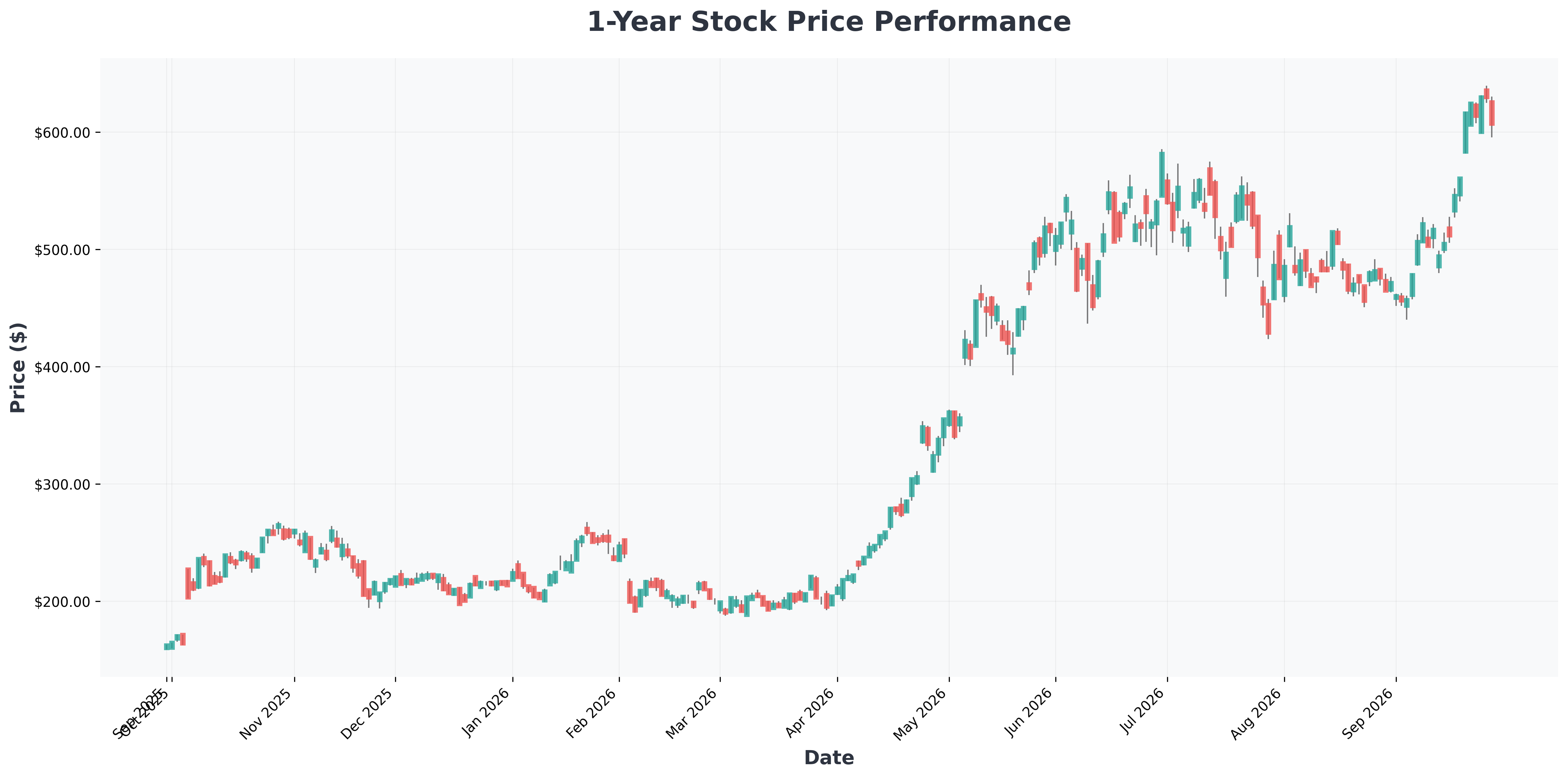
The market is deeply split on whether hyperscaler custom silicon is a genuine threat or just noise. Here's how both sides are framing it:

The Margin Compression Math 📉
Nvidia's gross margin has been running in the mid-70% range — an extraordinary figure powered by two forces:
- Insatiable demand for AI compute
- Persistent supply shortages that let Nvidia dictate pricing
Now flip the script. If Amazon, Microsoft, and Meta shift even 20–30% of their internal inference workloads to in-house chips, the demand curve for Nvidia GPUs softens. Supply catches up. And when supply catches up, pricing power evaporates.
Key Data Points to Watch
| Metric | Current Trend | Risk Signal |
|---|---|---|
| NVDA Data Center Revenue Growth | +117% YoY (FQ2) | Deceleration below +50% |
| Gross Margin | ~75% | Drop below 65% |
| Hyperscaler Capex Mix | ~80% Nvidia | Shift below 60% |
| Custom Silicon Share (Inference) | ~10–15% | Rising above 30% |
The last row is the one that keeps me up at night. Inference is where the volume is, and inference is exactly where custom ASICs shine.
Historical Parallel 🔍
Look back at the networking boom of the early 2000s. Cisco dominated enterprise routing — until hyperscalers (then led by Google and Facebook) started building their own switches with Broadcom silicon. Cisco's margins compressed for a decade. Nvidia investors should study that playbook carefully.
📊 In-Depth Fundamental Analysis
| Company | Share Price | P/E Ratio | P/B Ratio | ROE | Operating Margin (OPM) | Revenue Growth |
|---|---|---|---|---|---|---|
| AMD (Advanced) | $608 | 156.19 | 14.75 | 10.20% | 17.25% | 50.10% |
| AMZN (Amazon.com,) | $247 | 19.84 | 4.82 | 30.56% | 13.69% | 19.60% |
| AVGO (Broadcom) | $355 | 45.76 | 17.01 | 44.25% | 54.31% | 85.50% |
| META (Meta) | $739 | 27.83 | 7.21 | 29.85% | 34.83% | 28.00% |
| MSFT (Microsoft) | $509 | 28.40 | 8.54 | 34.04% | 45.11% | 17.70% |
| NVDA (NVIDIA) | $227 | 28.69 | 23.96 | 117.21% | 66.24% | 105.90% |

Scenario Analysis: Where Does NVDA Go From Here? 🧭
🐂 Bull Scenario (Probability: 45%)
- Nvidia's annual chip cadence (Blackwell → Rubin → Feynman) keeps it 2–3 generations ahead
- Custom ASICs remain confined to narrow inference workloads
- CUDA ecosystem lock-in prevents meaningful customer defection
- NVDA target range: $180–$220
🐻 Bear Scenario (Probability: 30%)
- Hyperscalers accelerate custom silicon to 40%+ of internal compute
- Supply normalizes, pricing power collapses
- Gross margins slide to 60–65%
- NVDA target range: $95–$120
⚖️ Base Case (Probability: 25%)
- Gradual mix shift, Nvidia retains training dominance
- Margins drift down to 68–70%
- NVDA target range: $140–$165
The Bottom Line 💡
Nvidia isn't going anywhere. But the era of effortless 75% gross margins and unconstrained pricing power may be closer to its end than the market believes. The threat isn't AMD. It isn't Broadcom. It's the three companies that write Nvidia the biggest checks.
Investors should watch hyperscaler capex disclosures and custom silicon commentary on upcoming earnings calls like a hawk. That's where the real signal lives.
This analysis is for informational purposes only and does not constitute investment advice. Semiconductor stocks are highly volatile — position sizing and risk management are essential.