The Dawn of the AI Coworker Era 🤖
NVIDIA just dropped a bombshell at GTC Taipei, and it's not just another GPU refresh. CEO Jensen Huang unveiled the NVIDIA Agent Toolkit, a comprehensive suite designed to move AI from a simple chatbot to a fully autonomous, long-running 'digital coworker'. This is a major strategic pivot for NVIDIA, expanding its moat from hardware into the foundational software layer for the next wave of enterprise AI. For investors, this isn't just a product launch; it's a blueprint for the next decade of enterprise software spend.
The announcement centers on three key pillars: NemoClaw blueprints for building agents, the Nemotron 3 Ultra open model for powering them, and OpenShell for securing them. The message is clear: NVIDIA wants to be the operating system for the enterprise AI workforce.

The 'Big Three' Pillars of the Agent Toolkit 🏗️
Let's break down the three core components that make this release a game-changer for the enterprise software landscape.
1. NemoClaw Blueprints: The Agent Factory 🏭
NemoClaw is not a single product; it's a set of open-source blueprints that allow companies to build specialized AI agents. Think of it as a pre-fabricated factory for creating AI workers. The key is its focus on long-running autonomy—agents that don't just answer a question but execute complex, multi-step workflows over hours or days.
Key Integrations:
- Cadence: Using OpenShell to secure its ChipStack AI Super Agent for autonomous chip verification.
- Dassault Systèmes: Productizing the 3DEXPERIENCE platform for autonomous design and simulation agents.
- Siemens: Integrating into Fuse EDA for multi-tool workflow orchestration in semiconductor design.
- Synopsys: Building always-on AI engineers for full workflow autonomy in chip design.
2. Nemotron 3 Ultra: The Brains 🧠
This is the engine. The Nemotron 3 Ultra is a 550-billion-parameter mixture-of-experts (MoE) model. The headline stats are impressive: 5x faster inference and up to 30% lower cost compared to other open frontier models. This is specifically optimized for the 'long-running' agent use case, where cost and latency are critical factors.
Real-World Applications:
- CrowdStrike: Using Nemotron models for specialized agents that autonomously identify and remediate security vulnerabilities.
- Palantir: Integrating Nemotron into its AI FDE platform to autonomously execute complex tasks and build domain-specific systems.
3. OpenShell: The Security Guard 🛡️
As agents become more powerful, they become more dangerous. OpenShell is NVIDIA's answer to this, providing a secure, open-source runtime with adjustable privacy and policy controls. This is crucial for enterprise adoption, especially in regulated industries.
Partnerships:
- Microsoft: Collaborating on new Windows security primitives for native agent support.
- Canonical & Red Hat: Integrating OpenShell into Ubuntu and Red Hat AI for enterprise server deployment.
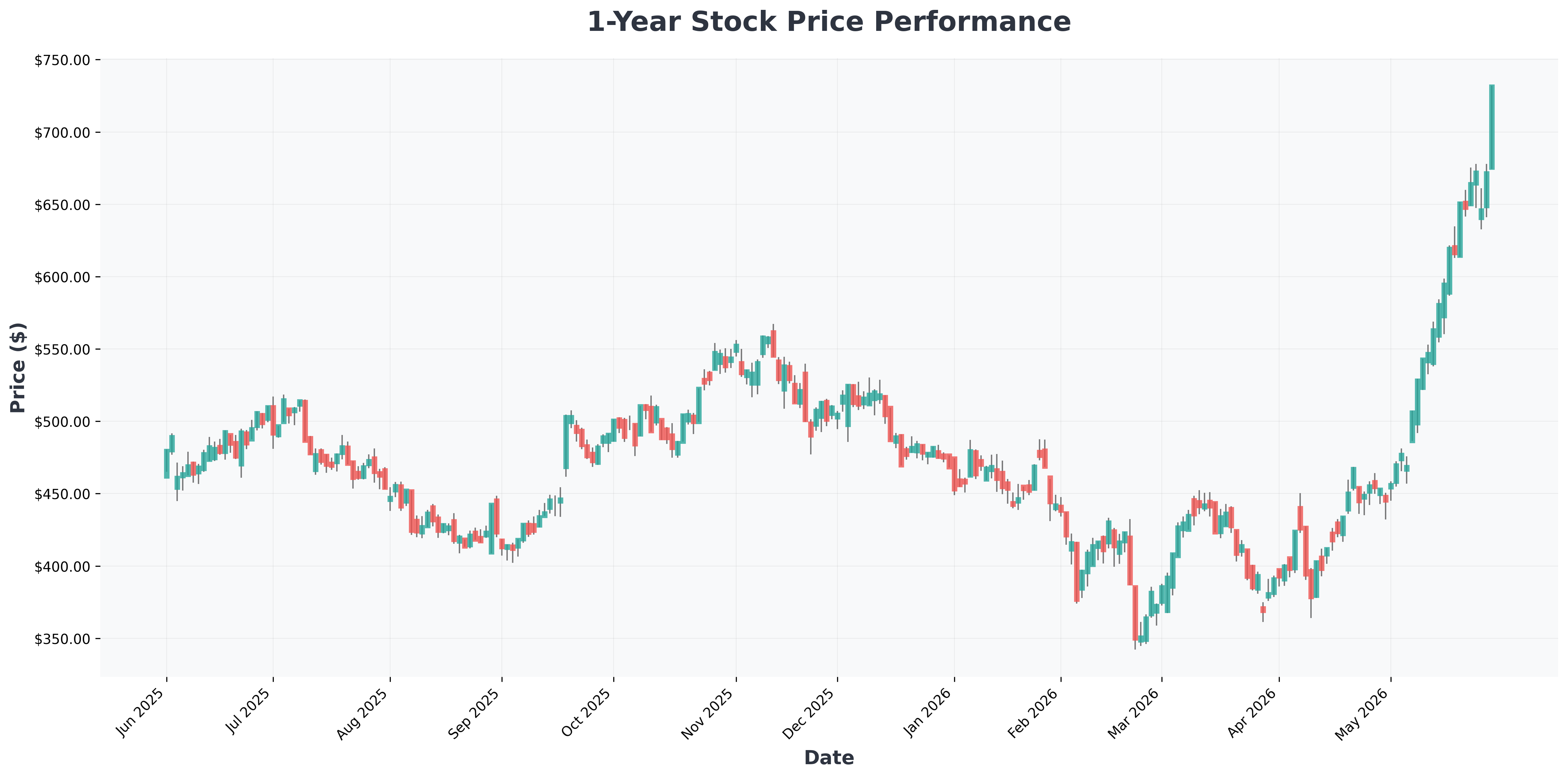

The Strategic Implications: Why This Matters for NVDA 🎯
This announcement is a powerful signal that NVIDIA is not just riding the AI wave; it is actively constructing the infrastructure. The move into agent software is a direct challenge to existing enterprise software giants and a massive expansion of NVIDIA's total addressable market (TAM).
Technical Insight: From a technical analysis perspective, this announcement serves as a fundamental catalyst. The market is currently pricing NVDA based on GPU demand for training. This news shifts the narrative to the inference and software layer, which is a much larger and more recurring revenue stream. If these agent platforms gain traction, it creates a stickier ecosystem around CUDA and reduces the risk of competitors breaking into NVIDIA's hardware moat.
The Bull vs. Bear Debate
This is a critical juncture for NVDA. While the vision is compelling, the execution risk is real.
The market is deeply divided on this. On one hand, NVIDIA is building an unassailable ecosystem. On the other, history is littered with hardware companies that failed to dominate the software layer. Here’s how the two sides see it:
📊 In-Depth Fundamental Analysis
| Company | Share Price | P/E Ratio | P/B Ratio | ROE | Operating Margin (OPM) | Revenue Growth |
|---|---|---|---|---|---|---|
| SIEGY (Siemens) | $159 | 28.32 | 1.64 | 12.59% | 12.72% | -0.00% |
| SNPS (Synopsys,) | $492 | 112.39 | 3.09 | 3.82% | 10.38% | 41.90% |
| MSFT (Microsoft) | $461 | 27.43 | 8.26 | 34.01% | 46.33% | 18.30% |
| CDNS (Cadence) | $414 | 96.99 | 17.41 | 20.66% | 29.70% | 18.70% |
| NVDA (NVIDIA) | $224 | 34.41 | 34.67 | 114.29% | 65.60% | 85.20% |
| CRWD (CrowdStrike) | $782 | 0.00 | 44.75 | -4.14% | 1.00% | 23.30% |
| PLTR (Palantir) | $161 | 180.51 | 45.57 | 32.59% | 46.18% | 84.70% |
| DASTY (Dassault) | $24 | 22.06 | 2.89 | 13.42% | 23.38% | -4.10% |

Best & Worst Case Scenarios 📈📉
Here’s how this announcement could play out for NVIDIA's stock and its market position.
| Scenario | Outcome | Key Drivers |
|---|---|---|
| 🚀 Best Case: The Ecosystem Lock-In | NVDA market cap surges 20-30% over 12 months. | Enterprise adoption of NemoClaw/OpenShell becomes the standard. CUDA-X skills create an unassailable moat. Recurring software revenue begins to materially impact earnings. The 'AI coworker' narrative drives a new wave of enterprise IT spending. |
| 📊 Base Case: A New Growth Pillar | NVDA maintains its leadership position, stock appreciates 10-15%. | The toolkit is adopted by major players (Siemens, Cadence) but doesn't become the universal standard. It provides a solid new revenue stream but does not immediately disrupt the existing GPU cycle. Competition from hyperscalers continues. |
| 🐻 Worst Case: The Open Source Trap | NVDA stock corrects 10%, loses market share in agent software. | Open-source competitors (e.g., Meta's Llama ecosystem, LangChain) build better or cheaper alternatives. The 'open' nature of NemoClaw fails to create proprietary lock-in. Enterprises choose best-of-breed solutions that are not tied to NVIDIA's hardware, weakening the moat. |
Conclusion: This is a high-conviction, long-term positive for NVIDIA. The focus on 'digital coworkers' is the most tangible vision for AI ROI we have seen from the enterprise. While the stock may be volatile in the short term, this announcement reinforces the thesis that NVIDIA is the central nervous system of the AI revolution. Investors should watch the adoption rate of OpenShell and NemoClaw over the next two quarters as a key metric for success.