The Pill That Could Reshape a $6 Billion Market 💊
The era of injections-only for weight loss is officially ending. A new report from ResearchAndMarkets.com projects the oral obesity therapies market will surge at a 9.9% CAGR, reaching $6.32 billion by 2030. The biggest catalyst? The shift toward oral GLP-1 agonists—a category that promises the efficacy of injectables like Ozempic/Wegovy with the convenience of a daily pill.
This isn't just a niche pharma trend; it's a tectonic shift in how obesity—a condition affecting over 650 million adults globally—is managed. For investors, understanding this market's segmentation and competitive dynamics is key to spotting the next big winner.

Inside the Boom: Why Oral GLP-1 Agonists Are Taking Over 📈
The report segments the market by drug class, patient indication, sales channel, and end user. The most explosive growth is expected in oral GLP-1 agonists, which are further broken down into daily, weekly, sustained-release, and next-generation formulations.
Why the shift?
- Patient Compliance: A pill is far less intimidating than a needle, drastically expanding the addressable market.
- Manufacturing Scale: Oral formulations can leverage existing tablet production lines, potentially lowering costs.
- Pipeline Depth: Giants like Novo Nordisk and Eli Lilly are racing to develop oral versions of their blockbuster GLP-1 drugs, while biotechs like Structure Therapeutics and Viking Therapeutics are hot on their heels.
However, the market isn't one-dimensional. Combination therapies targeting multiple metabolic pathways (e.g., appetite suppressant + anticonvulsant) and personalized treatments based on genetic profiling are also gaining traction. The report highlights that the telehealth platform sales channel is a critical growth vector, democratizing access to prescriptions.

The Battle of the Titans: A Competitive Landscape Overview 🏢
The report profiles 22 major companies, from pharma behemoths to agile biotech startups. Here’s a snapshot of the competitive dynamics:
| Company | Key Focus Area | Strategic Edge |
|---|---|---|
| Novo Nordisk A/S | Oral GLP-1 (Amycretin) | First-mover advantage; massive real-world data from injectables. |
| Eli Lilly and Company | Oral GLP-1/GIP (Orforglipron) | Superior efficacy data in Phase 3 trials; broader metabolic pipeline. |
| Pfizer Inc. | Oral GLP-1 (Danuglipron) | Deep pockets and massive commercial infrastructure; reformulating for better tolerability. |
| Structure Therapeutics | Oral GLP-1 (GSBR-1290) | High potency; potential for best-in-class oral bioavailability. |
| Viking Therapeutics | Oral GLP-1/GIP (VK2735) | Promising early-stage data; potential dual agonist synergy. |
Key Insight: The real war isn't just about efficacy—it's about tolerability and convenience. The first company to deliver a once-daily pill with minimal side effects will likely dominate the market.
This is a market where even the experts are split. Here’s how the Bull and Bear cases stack up in a real-world debate:
📊 In-Depth Fundamental Analysis
| Company | Share Price | P/E Ratio | P/B Ratio | ROE | Operating Margin (OPM) | Revenue Growth |
|---|---|---|---|---|---|---|
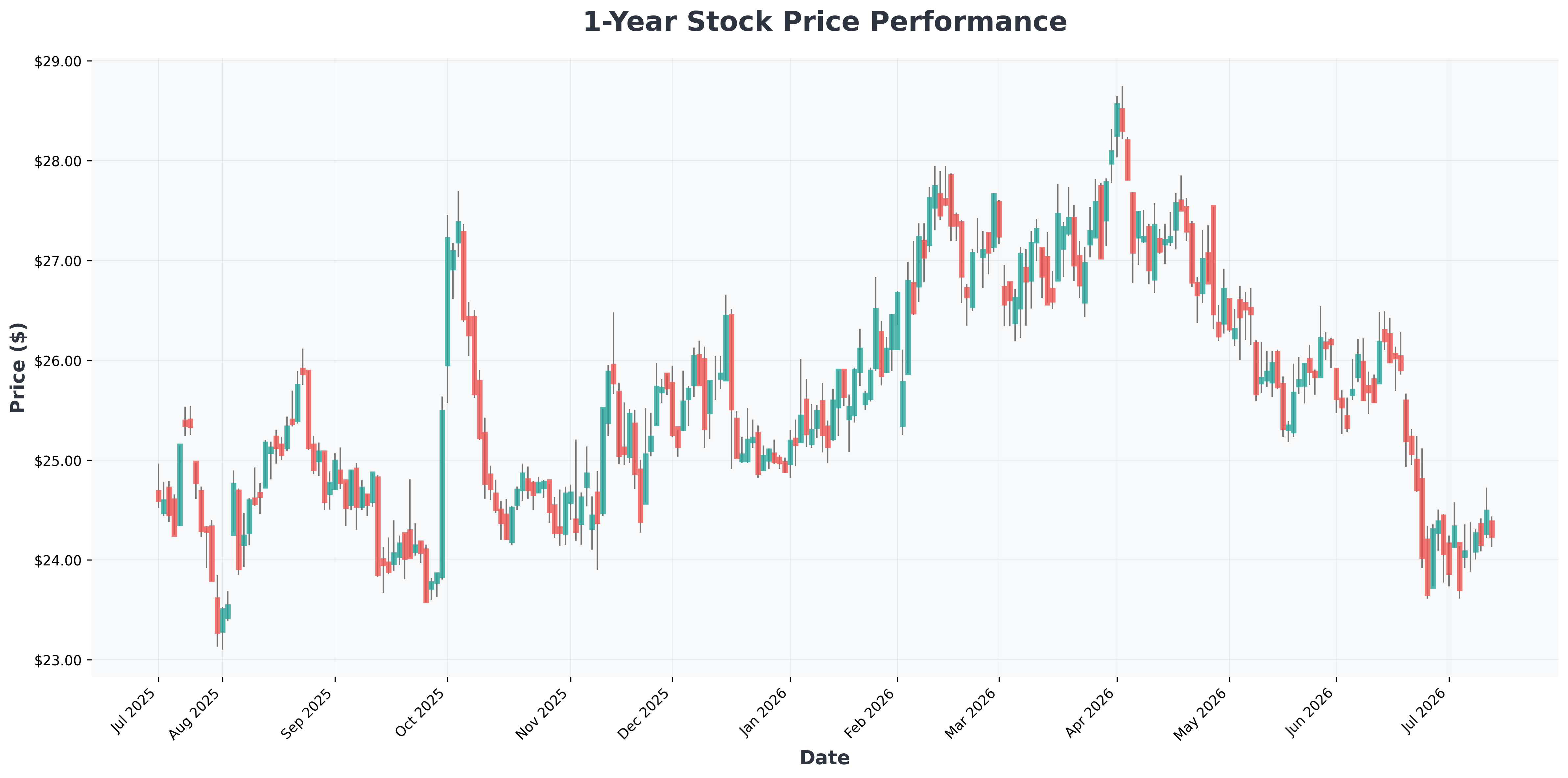
| PFE (Pfizer,) | $25 | 18.95 | 1.57 | 8.31% | 31.62% | 5.40% |
| LLY (Eli) | $1,157 | 41.13 | 33.13 | 107.46% | 49.39% | 55.50% |
| MRK (Merck) | $124 | 34.82 | 6.65 | 18.94% | 38.60% | 4.90% |
| NVO (Novo) | $51 | 12.12 | 7.23 | 71.40% | 61.57% | 24.00% |
| RHHBY (Roche) | $51 | 20.65 | 7.80 | 37.27% | 29.99% | -0.40% |
| AZN (AstraZeneca) | $168 | 25.32 | 5.51 | 23.48% | 27.94% | 12.50% |

The Verdict: Bullish Scenario vs. The Bear Case 🐂 🐻
Bull Case (Best-Case Scenario) 🚀
- Massive Market Expansion: Oral GLP-1s unlock a 'weight maintenance' and 'pre-obesity' market currently underserved by injectables.
- Blockbuster Sales: By 2030, oral GLP-1s could represent over 40% of the total obesity drug market, generating $10B+ in combined sales.
- Winner Takes Most: Novo Nordisk and Eli Lilly leverage their brand power and supply chains to capture 60%+ market share.
Bear Case (Worst-Case Scenario) ⚠️
- Safety Setbacks: A high-profile safety issue (e.g., liver toxicity, cardiovascular risk) in a late-stage oral GLP-1 trial could freeze the entire segment.
- Generic Erosion: Rapid development of generic versions of first-generation oral drugs could compress margins faster than expected.
- Patient Drop-Off: High out-of-pocket costs and unpleasant side effects (nausea, vomiting) could limit long-term adherence, capping market growth.
Conclusion: The oral obesity market is a high-growth, high-stakes arena. While the bull case is compelling, investors must watch for safety signals and payer dynamics. The opportunity is real, but it's not without risks.