The AI Trade Has Cooled, But Has It Overcorrected? 📉
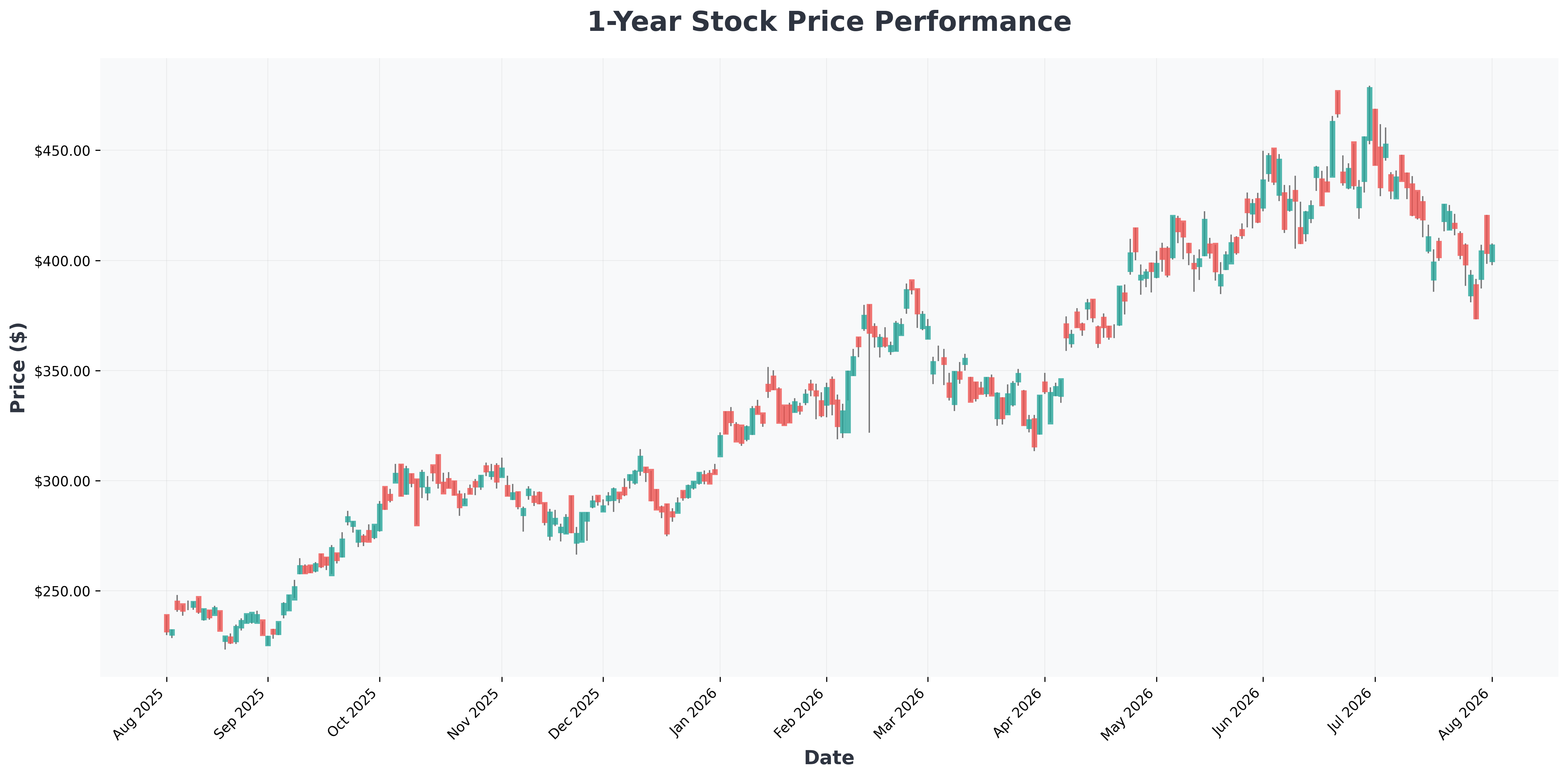
The market's recent pullback has been brutal for the AI trade. The VanEck Semiconductor ETF (SMH) has tumbled roughly 20% from its high just a month ago, as investors pivot from aggressive AI spending narratives to demanding tangible results. This shift has hit mega-caps like Alphabet and Meta hard, and semiconductor stocks have been dragged down alongside them.
However, this sharp correction might be precisely the opportunity long-term investors have been waiting for. The core question isn't whether the sector is volatile, but whether the fundamental demand story has changed. Let's dive into the numbers and see if this is a falling knife or a genuine 'buy the dip' scenario.

The Core Thesis: Demand Still Outstrips Supply 📊
Despite the price drop, the underlying fundamentals for semiconductors remain robust. The demand for chips powering data centers and AI models is still easily outstripping supply, giving companies like Nvidia, TSMC, and Broadcom significant pricing power. This isn't a cyclical downturn; it's a recalibration of expectations.
The market is no longer giving 'free passes' to companies with tangential AI exposure. It wants to see earnings, cash flow, and tangible results. This is a healthy sign for the long-term market, even if it's painful in the short term. For the top-tier semiconductor companies in the SMH ETF, this pricing power should sustain their earnings growth, making the current valuation more attractive after the 20% dip.
The question on every investor's mind is whether this is a buying opportunity or a value trap. The market is clearly divided on this issue.

The Risk Factor: Concentration and Volatility ⚠️
It's critical to acknowledge the risks. The SMH ETF is highly concentrated, with the top 10 holdings making up over 70% of the portfolio. This concentration cuts both ways—it fueled the massive upside rally and is now amplifying the downside.
Investors should expect a volatile ride. The market's mood can shift quickly, and any negative headlines about AI spending could trigger another sell-off. This is not a low-risk, set-and-forget investment. It's a high-conviction bet on the future of AI infrastructure.
Best vs. Worst Case Scenario for SMH
| Scenario | Key Drivers | Potential Outcome |
|---|---|---|
| Bullish (Best Case) 📈 | AI demand remains robust; companies like NVDA and TSM beat earnings estimates; the market shifts back to valuing growth over immediate cash flow. | The current 20% correction is seen as a major buying opportunity. SMH could rebound to new all-time highs within 6-12 months, delivering a potential 30-40% return from current levels. |
| Bearish (Worst Case) 🐻 | AI spending slows down due to a broader economic recession or a major company announcing significant cutbacks; earnings growth fails to meet elevated expectations. | The correction deepens. SMH could fall another 15-20% as the market reprices the sector lower. The ETF could trade down to the $480-$500 range, testing long-term support levels. |
📊 In-Depth Fundamental Analysis
| Company | Share Price | P/E Ratio | P/B Ratio | ROE | Operating Margin (OPM) | Revenue Growth |
|---|---|---|---|---|---|---|
| AVGO (Broadcom) | $418 | 69.81 | 22.69 | 37.28% | 48.99% | 47.90% |
| GOOG (Alphabet) | $375 | 18.83 | 7.37 | 48.68% | 34.03% | 24.20% |
| GOOGL (Alphabet) | $378 | 18.93 | 7.42 | 48.68% | 34.03% | 24.20% |
| META (Meta) | $588 | 22.14 | 6.12 | 29.85% | 34.83% | 28.00% |
| NVDA (NVIDIA) | $212 | 32.51 | 26.26 | 114.29% | 65.60% | 85.20% |
| TSM (Taiwan) | $417 | 36.82 | 87.00 | 39.97% | 60.34% | 36.00% |
Conclusion: A High-Conviction Play for Patient Investors 🎯
The 20% drop in the VanEck Semiconductor ETF (SMH) is a significant event. While the volatility is scary, the core demand story hasn't changed. For investors with a long-term horizon and high risk tolerance, this pullback offers a compelling entry point into the AI infrastructure build-out.
However, this is not a trade for the faint of heart. Position sizing is key, and you should be prepared for a bumpy ride. The smartest move might be to start a small position and add on further weakness, focusing on the long-term growth trajectory rather than the short-term price action. The market is fearful, but the fundamentals are strong. This could indeed be the smartest growth trade right now.