The Earnings Engine is Sputtering 🚨
The unofficial end to Q1 '26 earnings season is upon us, with Walmart (WMT) and NVIDIA (NVDA) set to report this week. However, a subtle but critical shift has occurred beneath the surface. For the first time since January 16, 2026, the S&P 500's Forward Four-Quarter Estimate (FFQE) has declined sequentially, dropping from $347.01 to $346.82.
While a mere $0.19 drop might seem insignificant, it signals that the market's earnings momentum is losing steam. The price-to-earnings (PE) ratio on this forward estimate now sits at 21.4x, up from 21.3x last week, suggesting that investors are paying slightly more for each dollar of expected earnings. The S&P 500 earnings yield (SP EY) has settled at 4.68%.

The Dirty Little Secret: One-Time Gains 💸
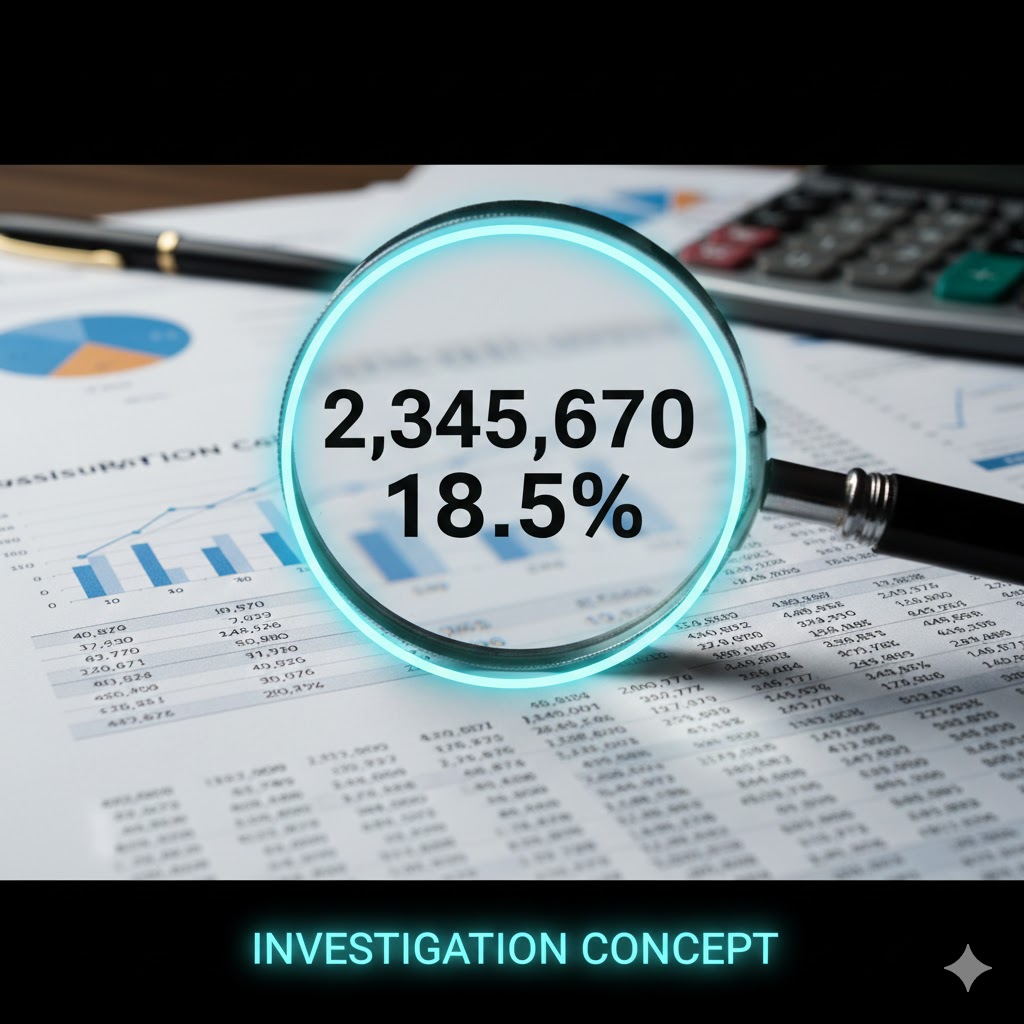
LSEG data projects a robust 26% EPS growth for the S&P 500 in 2026. But this headline number is misleading. A significant chunk of this growth comes from non-operating, one-time gains that are unlikely to repeat.
Let's break down the distortions:
- Alphabet (GOOGL): $3.01 per share from its Anthropic private investment write-up.
- Amazon (AMZN): $1.54 per share from a similar paper gain on Anthropic.
- Netflix (NFLX): $0.65 per share from the Warner Bros. termination fee ($2.8 billion total).
Total one-time boost: $5.20 per share.
When you strip these out, the current bottom-up quarterly EPS estimate drops from $74.62 to $69.42. Comparing this to Q1 '25's $63.07, the real year-over-year growth rate plummets to just 10%—far below the headline 26% figure. The 'expected' annual growth rate for 2026 is likely closer to 22% than 28%. Still healthy, but the market is pricing in perfection, and the data is showing cracks.
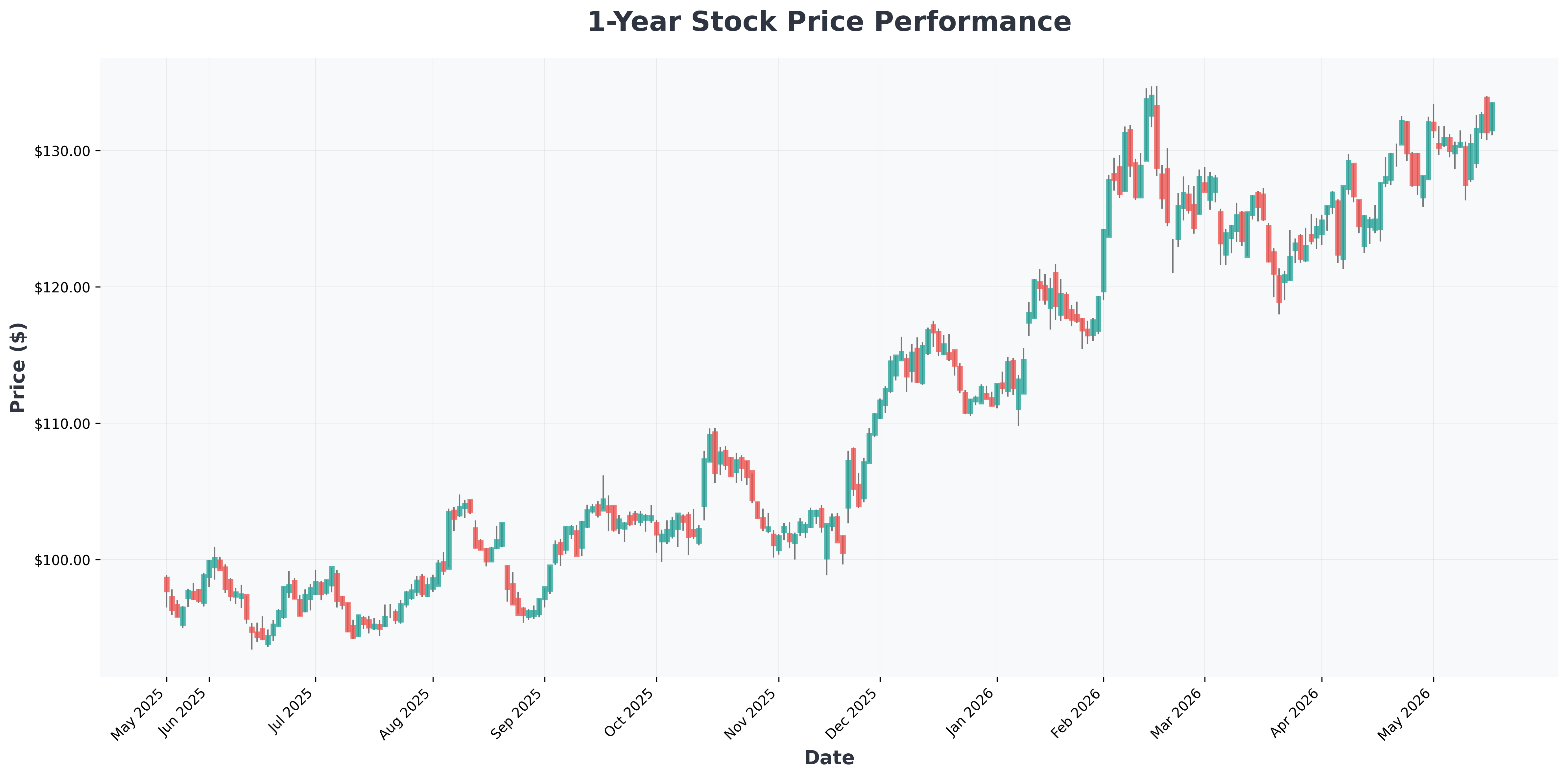
The market is split on whether this is a healthy consolidation or the beginning of a deeper correction. Here’s how the bulls and bears see it:
The Bond Vigilantes Are Stirring 🐻
While earnings are being scrutinized, the bond market is sending a loud and clear signal. The Treasury yield curve underwent a remarkable steepening last week. This is largely attributed to Kevin Warsh assuming a position on the Federal Reserve Board and the potential for a new Fed Chair.
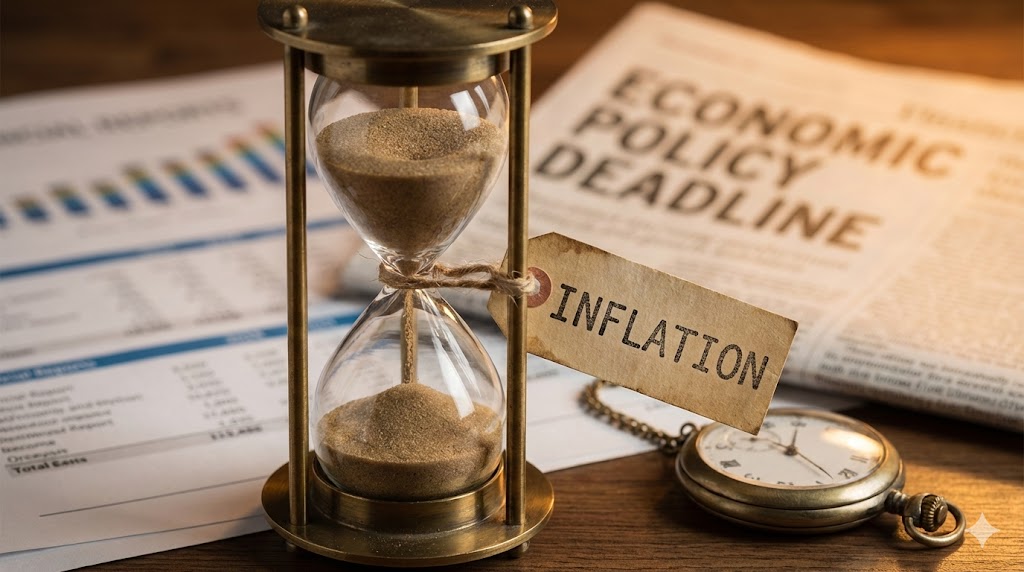
This is a classic setup for the 'bond vigilantes'—investors who sell bonds to protest fiscal or monetary policies they view as inflationary. The market is betting that Warsh's leadership could be less accommodative, or that long-term inflation fears are rising.
Key levels to watch:
- TLT (iShares 20+ Year Treasury ETF): Is getting oversold. A close below $80-$82 would be a bearish signal for bonds.
- 10-Year Treasury Yield: Must not break above 5%. A move through that psychological level could trigger a wave of selling across risk assets.
- Credit Spreads: Corporate high-grade bonds have so far absorbed the massive issuance from hyperscalers (like Amazon and Microsoft) despite declining free cash flow. This is a stress point to monitor.
📊 In-Depth Fundamental Analysis
| Company | Share Price | P/E Ratio | P/B Ratio | ROE | Operating Margin (OPM) | Revenue Growth |
|---|---|---|---|---|---|---|
| AMZN (Amazon.com,) | $259 | 30.98 | 6.31 | 24.29% | 13.14% | 16.60% |
| GOOG (Alphabet) | $385 | 29.40 | 9.74 | 38.88% | 36.12% | 21.80% |
| GOOGL (Alphabet) | $388 | 29.59 | 9.81 | 38.88% | 36.12% | 21.80% |
| NFLX (Netflix,) | $89 | 28.82 | 12.09 | 48.49% | 32.30% | 16.20% |
| NVDA (NVIDIA) | $221 | 45.11 | 34.09 | 101.48% | 65.02% | 73.20% |
| WMT (Walmart) | $134 | 49.16 | 10.74 | 21.85% | 4.57% | 5.60% |
Scenario Analysis: Two Paths Forward
Best Case (Soft Landing) 🟢
- Catalyst: A resolution with Iran reopens the Strait of Hormuz, crashing oil prices below $75/barrel. This alleviates inflation fears, allowing the Fed to pause or cut rates.
- Outcome: The yield curve steepens for the 'right' reasons (falling short-term rates). The S&P 500 absorbs the lowered earnings growth (10% ex-one-time gains) as a healthy normalization. TLT stabilizes above $82.
- Action: Maintain equity exposure, favoring value and financials which benefit from a steepening curve.
Worst Case (Stagflation) 🔴
- Catalyst: Kevin Warsh's initial comments are hawkish, spooking the market. Oil remains elevated above $80. The 10-year yield breaks above 5%.
- Outcome: The 'bond vigilantes' win. Duration is dumped aggressively. The S&P 500 re-rates lower as the PE contracts. The market realizes that 10% real growth is not enough to justify a 21.4x forward PE.
- Action: Reduce equity exposure, move to cash or short-duration Treasuries. Avoid high-growth tech stocks that are sensitive to rising discount rates.
Conclusion: The market is at a critical inflection point. The headline earnings growth is an illusion, and the bond market is starting to price in a new reality. Investors should focus on the 'quality' of earnings, not just the quantity, and keep a close eye on the 5% yield threshold.