The S&P 500 has delivered an average annual return of about 10% since inception, but that headline number masks the brutal reality of bear markets. Recessions routinely trigger double-digit drawdowns that test even the most patient investors' resolve. 📉
If you're sensing that a correction may be brewing, it's time to look beyond the broad index and consider defensive sectors. The Vanguard Utilities ETF (VPU) has quietly built a reputation as one of the most reliable shock absorbers in the market — and history suggests it could play that role again.

What Makes VPU Different From Other Utilities ETFs?
VPU tracks the MSCI U.S. Investable Market Index (IMI) Utilities 25/50, giving it broader exposure than its main competitor, XLU. While XLU focuses only on the largest utility stocks in the S&P 500, VPU casts a wider net across small-cap, mid-cap, and large-cap utility companies. 🎯
This diversification strategy matters. The "25/50" rule ensures no single stock dominates the fund, reducing concentration risk. With $10.8 billion in assets under management, VPU is the second-largest utilities ETF in the U.S. — large enough for institutional liquidity but nimble enough to capture growth across the sector.
Portfolio Breakdown
- Electric Utilities: 61.8%
- Multi-Utilities: 24.6%
- Gas, Independent Power, Water & Renewable: Remaining ~13.6%
Top holdings include NextEra Energy (11.78%), Southern Company (6.92%), Duke Energy (6.34%), and Constellation Energy (5.26%). These aren't flashy growth stocks — they're essential service providers with predictable cash flows and consistent dividend payouts. 💡
The question on every investor's mind: is VPU a genuine safe haven or just a laggard in disguise? Let's hear both sides of the argument.
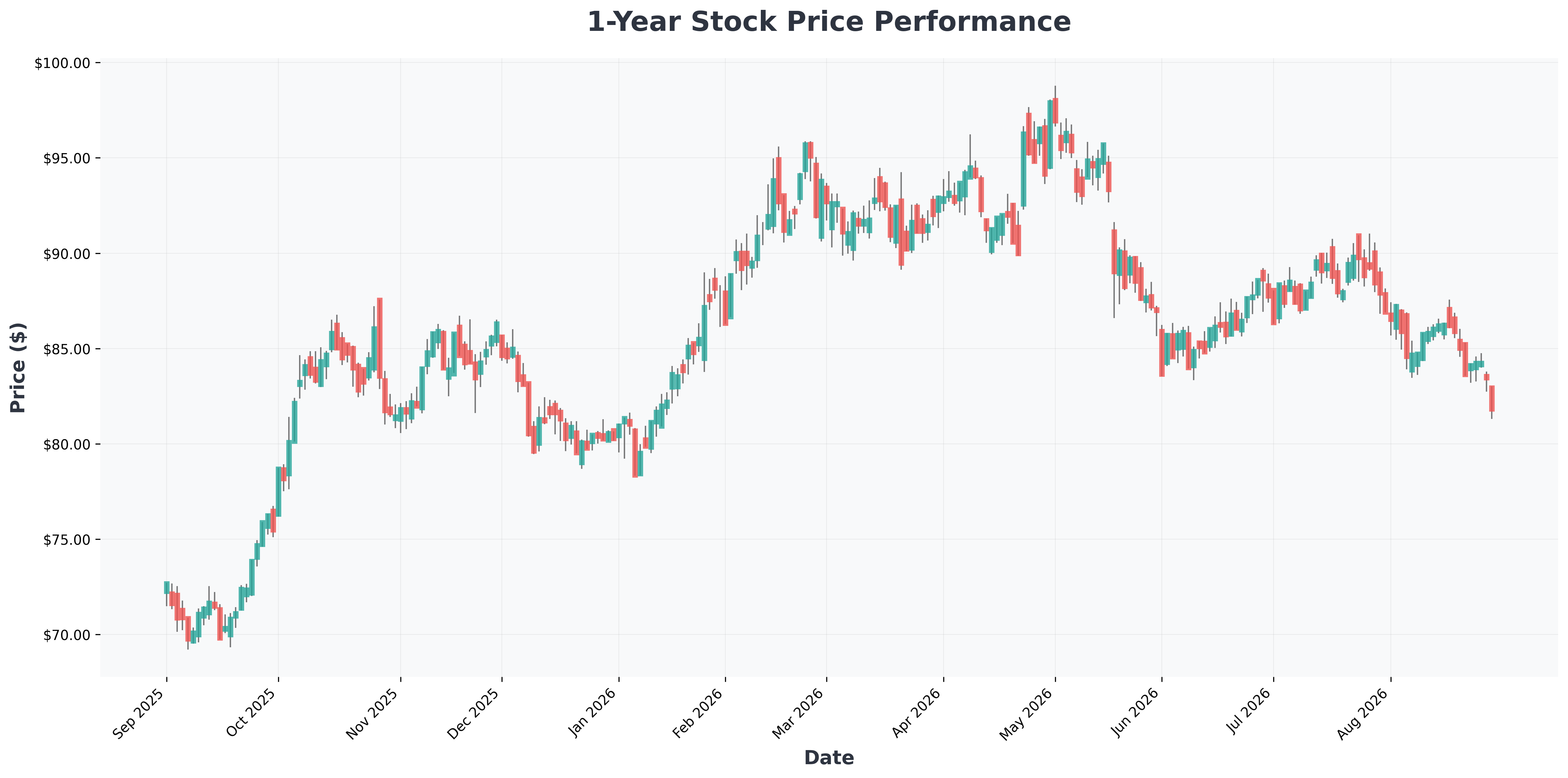

The Historical Evidence: VPU vs. S&P 500 During Downturns
Utilities typically underperform during bull markets when investors chase high-growth tech names. But when the macro environment turns hostile, the narrative flips dramatically.
A perfect case study: 2022. The S&P 500 plunged 25% from peak to trough as the Federal Reserve aggressively hiked rates. During that same period, VPU delivered a positive 1% total return. That's not just outperformance — that's complete insulation from one of the most challenging markets in recent memory. 🛡️
| Period | S&P 500 Peak-to-Trough | VPU Total Return |
|---|---|---|
| 2022 Rate Hike Cycle | -25% | +1% |
| Typical Recession | -20% to -30% | Positive to flat |
Why Utilities Hold Up So Well
The logic is simple: people don't stop using electricity when the economy slows. Utilities are essential services with regulated pricing models that provide revenue stability. Additionally, the recent surge in cloud infrastructure and AI data centers has created unprecedented electricity demand — a structural tailwind that didn't exist in previous downturns. ⚡
📊 In-Depth Fundamental Analysis
| Company | Share Price | P/E Ratio | P/B Ratio | ROE | Operating Margin (OPM) | Revenue Growth |
|---|---|---|---|---|---|---|
| CEG (Constellation) | $275 | 26.83 | 3.05 | 15.06% | 8.66% | 23.00% |
| DUK (Duke) | $120 | 18.06 | 1.74 | 9.86% | 27.50% | 1.10% |
| DUKU (Duke) | $49 | 0.00 | 0.72 | 9.86% | 27.50% | 1.10% |
| NEE (NextEra) | $82 | 18.50 | 3.01 | 11.68% | 31.52% | 12.40% |
| SO (Southern) | $88 | 21.20 | 2.56 | 11.48% | 29.61% | 0.10% |
| SOMN (Southern) | $48 | 0.00 | 1.39 | 11.48% | 29.61% | 0.10% |

Best & Worst Case Scenarios
📈 Best Case Scenario (Bullish):
- The AI-driven electricity demand surge continues accelerating
- VPU delivers 8-12% annualized returns with 2.83% dividend yield
- The fund outperforms the S&P 500 over the next 12-18 months
- A "soft landing" scenario where utilities benefit from both defensive flows and structural growth
📉 Worst Case Scenario (Bearish):
- Interest rates spike unexpectedly, increasing borrowing costs for capital-intensive utilities
- VPU could see 10-15% drawdowns, though still less severe than the broader market
- Regulatory changes could pressure profit margins
- Dividend growth could slow if companies prioritize debt reduction
Final Verdict: Should You Nibble on VPU Today?
For long-term investors worried about portfolio volatility, VPU offers a compelling risk-reward profile. The 0.09% expense ratio is remarkably cheap, and the current 30-day SEC yield of 2.71% provides meaningful income while you wait for market clarity.
Key takeaway: VPU won't make you rich in a raging bull market — but it could be the difference between staying invested and panic-selling during the next correction. In this choppy environment, that's a trade worth making. 🏆